Mastering the Art of Gothic Typography: A Deep Dive into Rortves
In the vast landscape of digital and print design, typography serves as the silent ambassador of a brand or a message. It is not merely about legibility; it is about setting the tone, evoking emotion, and establishing authority before a single word is fully processed by the reader’s eye. Among the myriad typefaces available to designers today, few command attention quite like Rortves, a highly detailed and unique blackletter font that bridges the gap between historical gravitas and modern aesthetic sensibility.
Blackletter, often referred to as Gothic script, has roots in the medieval period, characterized by its dense, textured appearance and complex stroke variations. While traditional blackletter fonts can sometimes feel archaic or difficult to read on screens, Rortves reimagines this classic style with precision and clarity. It offers a sophisticated visual language that speaks to heritage, elegance, and exclusivity. Whether you are a graphic designer crafting a luxury brand identity, an educator designing course materials, or a hobbyist creating custom wedding invitations, understanding the nuances of Rortves can significantly elevate your creative output.
The Anatomy of Elegance: Understanding Rortves
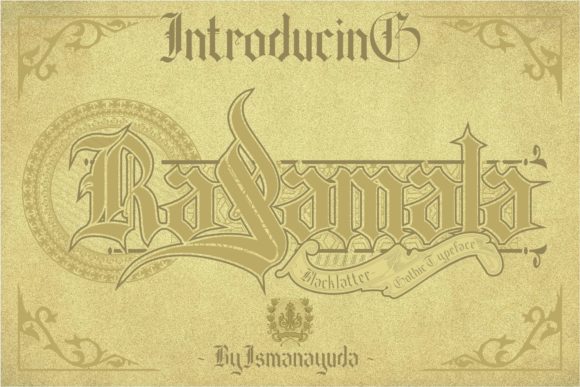
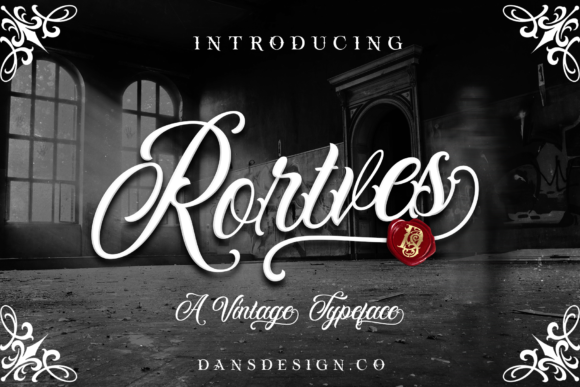
To appreciate the utility of Rortves, one must first understand what makes it distinct within the blackletter family. Unlike more rigid or ornate gothic scripts that prioritize decoration over function, Rortves strikes a delicate balance. Its letterforms are constructed with sharp, angular terminals and consistent vertical stress, giving it a robust yet refined silhouette. The "ravishing" quality mentioned in its description stems from the intricate interplay of thick and thin strokes, which create a rich texture when set in larger sizes.
This font is not designed for body text. In fact, attempting to use Rortves for long paragraphs would hinder readability and frustrate the user experience. Instead, its strength lies in display settings. When used for headlines, logos, or key focal points, the font commands respect. The detailed serifs and the specific curvature of the letters provide a tactile sense of history, reminiscent of illuminated manuscripts or old-world printing presses, but rendered with the crispness expected in contemporary digital workflows.
Key Characteristics
- High Contrast: The stark difference between the thickest and thinnest parts of the letterforms creates visual interest and depth.
- Detailed Structure: Every glyph is meticulously crafted, ensuring that even small details contribute to the overall aesthetic harmony.
- Versatile Weight: While primarily a display face, the weight of Rortves allows it to stand alone without needing additional graphical elements to support it.
- Historical Resonance: It carries the DNA of medieval calligraphy while adhering to modern kerning and spacing standards.
Strategic Applications in Modern Design
The versatility of Rortves extends across various industries and creative disciplines. Its ability to evoke a sense of timelessness makes it suitable for projects that require a touch of class or tradition. Below, we explore specific scenarios where this font shines, demonstrating its practical relevance for professionals and creators alike.
Luxury Branding and Identity
For businesses operating in the luxury sector—be it high-end fashion, artisanal spirits, or bespoke jewelry—the choice of typography is critical. Consumers in these markets associate clean, bold, and historically rich typefaces with quality and craftsmanship. Integrating Rortves into a logo or brand mark can instantly communicate heritage and prestige. Imagine a whiskey label featuring the brand name in Rortves; the font’s dark, imposing nature suggests depth and complexity, mirroring the product inside. Similarly, a fashion house might use it for campaign headers to convey drama and sophistication.
Wedding Invitations and Event Stationery
One of the most personal and visible applications of typography is in wedding stationery. Couples seeking a non-traditional yet elegant theme often look for fonts that break away from standard cursive scripts. Rortves offers a striking alternative. Its formal structure provides the necessary gravitas for a wedding invitation, while its unique character ensures the design feels fresh and curated. When paired with ample white space and minimalist line art, the font becomes the centerpiece of the design, drawing the eye directly to the names of the couple and the date of the event.
Consider the following workflow for creating a cohesive invitation suite using Rortves:
- Primary Header: Use Rortves in a large point size for the couple’s names to establish dominance and style.
- Secondary Details: Pair the blackletter font with a clean, sans-serif typeface for logistical details like venue, time, and RSVP information. This contrast enhances readability.
- Accents: Utilize decorative borders or flourishes that complement the angular nature of the font, reinforcing the gothic theme without overwhelming the layout.
Educational and Academic Materials
While less common, educators and researchers in fields such as history, literature, or theology may find value in using Rortves for chapter headings or section dividers. When discussing medieval literature or historical events, the visual context provided by the typography can enhance the thematic immersion. For instance, a university department publishing a journal on Renaissance art could use Rortves for issue titles, subtly signaling the academic rigor and historical focus of the content.
Design Considerations and Best Practices
Using Rortves effectively requires more than just dropping the text onto a canvas. To achieve professional results, designers must adhere to certain best practices that ensure the font complements rather than competes with the rest of the design.
Contrast and Pairing
Because Rortves is visually heavy and complex, it demands simplicity in its surroundings. The golden rule here is contrast. If you choose Rortves for your headline, your subheadings and body text should be straightforward and unadorned. Sans-serif fonts like Helvetica, Arial, or modern geometric types work exceptionally well because they do not compete for attention. Serif fonts can also work if they are light and have low contrast themselves, but caution is advised to avoid visual clutter.
Whitespace Management
Blackletter fonts thrive in environments with generous whitespace. The intricate details of Rortves need room to breathe. Crowding the text against other elements or images can make the font appear muddy and illegible. By increasing margins and padding, you allow the negative space to frame the typography, enhancing its impact. This approach is particularly effective in web design, where loading times and mobile responsiveness are concerns; a clean layout with strategic font usage performs better than a dense, text-heavy page.
Color and Background
The color palette plays a significant role in how Rortves is perceived. Traditional pairings include black text on cream or off-white backgrounds, mimicking the look of aged parchment. However, modern interpretations often experiment with gold foil effects, deep navy blues, or even vibrant accent colors against dark backgrounds. The key is to ensure sufficient luminance contrast so that the fine details of the font remain visible. Using underlined accents or italicized notes sparingly can add emphasis without disrupting the flow.
Technical Implementation for Developers
For developers integrating Rortves into web projects, there are technical considerations to keep in mind. Since blackletter fonts can be resource-intensive due to their detailed vector paths, it is important to optimize the file formats. Using WOFF2 (Web Open Font Format 2) is recommended for its superior compression capabilities, ensuring fast load times without sacrificing quality.
Additionally, fallback fonts should be specified in CSS to maintain design integrity across different devices. A suitable fallback stack might look like this:
font-family: 'Rortves', 'Old English Text MT', 'Cloister Black', serif;
This ensures that if Rortves fails to load, the user still encounters a gothic-style typeface that maintains the intended aesthetic mood, rather than reverting to a default sans-serif that might clash with the design.
The Future of Historical Fonts in Digital Media
As digital trends continue to evolve, there is a growing appreciation for authentic, hand-crafted aesthetics. Users are increasingly drawn to designs that feel human and tangible in an otherwise sterile digital environment. Rortves represents this shift. It is not just a relic of the past but a tool for modern expression. Its adoption signals a move towards more nuanced and expressive typographic choices in branding and communication.
Creators who master the use of specialized fonts like Rortves differentiate themselves in a crowded market. They demonstrate an understanding of visual hierarchy, historical context, and user psychology. Whether applied to a love letter that seeks to convey timeless devotion or a corporate rebrand that aims to project stability and legacy, the outcome is astoundingly effective.
Conclusion
Incorporating Rortves into your design toolkit is a decision that prioritizes quality, distinction, and emotional resonance. It is a font that demands respect and rewards careful handling. By understanding its characteristics, respecting its limitations, and pairing it thoughtfully with complementary design elements, you can unlock its full potential. From the grandeur of wedding invitations to the subtlety of academic journals, Rortves offers a ravishing looking font option that transforms ordinary text into extraordinary visual statements. As you embark on your next creative project, consider the power of this unique blackletter typeface to leave a lasting impression on your audience.