Morea: Strategic Typography for Bold Brand Identity
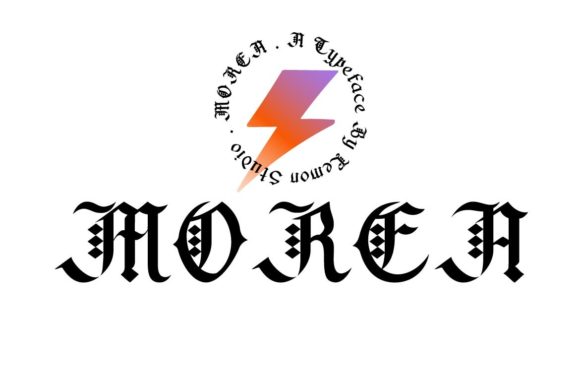
In the landscape of visual communication, typography is rarely just about readability; it is a primary vehicle for tone, authority, and brand personality. For professionals, creators, and business owners seeking to establish a distinct market presence, selecting the right typeface is a critical strategic decision. Among the tools available to designers and entrepreneurs, Morea stands out as a specialized asset—a bold, distinct, and gothic-styled blackletter font that commands attention and conveys heritage, strength, and craftsmanship.
This article explores how Morea can be integrated into professional workflows, from physical product labeling to digital branding assets. We will examine the practical applications of this typeface, the strategic advantages it offers in specific contexts, and the necessary considerations for deploying it effectively without compromising clarity or user experience.
The Strategic Value of Blackletter in Modern Design
Blackletter typefaces have deep historical roots, often associated with medieval manuscripts and traditional print culture. In contemporary design, however, their use has evolved beyond mere nostalgia. When used intentionally, fonts like Morea serve as powerful differentiators. They signal a departure from the minimalist, sans-serif dominance that characterizes much of modern tech and corporate design.
For entrepreneurs and small business owners, particularly those in niches such as artisanal goods, craft brewing, tattoo studios, vintage-inspired fashion, or specialty food products, adopting a blackletter aesthetic can instantly communicate authenticity and tradition. Morea, with its sharp serifs and dense structure, provides a visual weight that suggests durability and timelessness. It is not merely decorative; it is a statement of intent.
The strategic utility of Morea lies in its ability to create an immediate emotional response. It evokes feelings of solidity, exclusivity, and handcrafted quality. By incorporating Morea into your visual identity, you are signaling to your audience that your product or service is rooted in care and precision. This alignment between visual style and brand values is essential for building trust and recognition.
Practical Applications Across Creative Industries
The versatility of Morea extends across various mediums, allowing for consistent branding whether you are operating in physical or digital spaces. Below are key areas where this font can elevate outcomes:
Product Labeling and Packaging
For small business owners in the consumer goods sector, packaging is often the first point of contact with a customer. A label featuring Morea can transform a generic container into a premium item. Consider its application on:
- Beverage Labels: Craft beers, ciders, and spirits often benefit from the rugged, historic feel of blackletter, which resonates with themes of heritage brewing.
- Food Packaging: Artisanal breads, cheeses, and organic produce labels can use Morea to emphasize natural ingredients and traditional methods.
- Cosmetics and Skincare: Brands positioning themselves as "old-world remedies" or luxury apothecary items can leverage the font’s elegance to convey potency and exclusivity.
Branding and Logo Design
A logo must function at various sizes and resolutions. Morea’s bold strokes ensure legibility even when scaled down, provided it is paired with appropriate spacing and background contrast. It is particularly effective for:
- Tattoo Parlors and Body Art Studios: The aesthetic aligns naturally with the industry’s visual language.
- Music Bands and Event Promotion: Rock, metal, and punk genres frequently utilize blackletter to convey intensity and rebellion.
- Personal Brands: Freelancers and creatives looking to project a strong, confident persona can use Morea in their signature or headline elements.
Marketing Materials and Print Collateral
While digital screens favor clean, lightweight fonts for body text, print materials offer an opportunity to experiment with display typography. Morea can be strategically placed in:
- Business Cards: Using Morea for the name or title, paired with a neutral sans-serif for contact details, creates a striking hierarchy.
- Posters and Flyers: Headlines set in Morea grab attention in crowded environments, such as trade shows or community boards.
- Invitations and Certificates: For formal events or academic recognitions, Morea adds a sense of gravitas and importance.
Decision-Making Guidelines for Implementation
Adopting Morea requires more than just aesthetic appreciation; it demands a thoughtful approach to ensure it supports your broader goals. Randomly applying a distinctive font can lead to cluttered designs and confused messaging. Instead, consider the following framework for integration.
Define the Core Message
Before opening any design software, clarify what you want Morea to represent. Is it strength? Tradition? Rebellion? Luxury? Once the core message is defined, assess whether the gothic style aligns with that narrative. For example, if you are launching a healthcare app focused on speed and simplicity, Morea would likely create cognitive dissonance. However, for a heritage-focused whiskey brand, it would reinforce the story.
Balance and Contrast
The density of blackletter fonts can overwhelm a layout if not managed correctly. The key to successful implementation is balance. Use Morea sparingly as a display font for headlines, logos, or short phrases. Pair it with highly readable, neutral typefaces for body copy. This contrast ensures that while the brand identity remains bold, the information remains accessible.
- Select a Complementary Typeface: Choose a clean sans-serif or a simple serif for supporting text. This prevents visual fatigue.
- Maintain White Space: Blackletter characters require room to breathe. Avoid cramming text tightly around Morea elements.
- Test Legibility: Ensure that the font remains readable at the sizes it will be used. Small-scale reproduction of complex blackletter can result in muddy, illegible prints.
Contextual Appropriateness
Consider your target audience. Adults aged 20–50 span a wide range of preferences. While younger demographics may appreciate the edgy, alternative vibe of blackletter, older audiences might perceive it as outdated or difficult to read. Conducting user research or A/B testing can help determine if Morea resonates with your specific customer base. If your audience values minimalism and efficiency, a subtler approach may be more effective.
Risks and Mitigation Strategies
Even the most well-intentioned design choices carry risks. Misusing Morea can lead to negative perceptions, including associations with illegibility, aggression, or niche exclusivity that alienates potential customers.
Risk: Overuse and Clutter
Using Morea for entire paragraphs or long-form content is a common mistake. Its intricate structure makes it tiring to read over extended periods. To mitigate this, restrict its use to titles, headers, and graphical elements. Always prioritize user experience (UX) by ensuring that navigation and calls-to-action remain clear and simple.
Risk: Inconsistent Brand Voice
If your brand strategy emphasizes innovation and futurism, but your typography screams history and tradition, there is a disconnect. Ensure that every element of your brand—from color palette to imagery—aligns with the mood set by Morea. Inconsistency dilutes brand equity and confuses consumers.
Risk: Legal and Licensing Issues
Typography is intellectual property. Before using Morea in commercial projects, verify the licensing terms. Some fonts are free for personal use only, requiring a paid license for commercial applications. Ignoring these guidelines can lead to legal complications and financial penalties. Always source fonts from reputable providers and adhere to their usage agreements.
Long-Term Value and Adaptability
Investing in a strong typographic identity yields long-term benefits. A well-chosen font like Morea can become synonymous with your brand, increasing recall and loyalty. However, trends change, and markets evolve. While Morea offers a timeless aesthetic, it is important to remain adaptable.
As digital platforms continue to dominate, accessibility becomes increasingly crucial. Ensure that your use of Morea does not hinder screen readers or violate accessibility standards. This might involve providing alt-text descriptions for images containing the font or ensuring sufficient color contrast for visually impaired users.
Furthermore, consider the scalability of your design system. Can Morea be easily reproduced across different media, from embroidery on clothing to engraving on metal? Its bold lines make it suitable for various manufacturing processes, but always prototype before final production to avoid costly errors.
Conclusion on Intentional Usage
Morea is not just a font; it is a tool for strategic communication. When used with purpose, it can elevate crafting ideas, strengthen branding efforts, and enhance customer experience. Whether you are designing a label for a local brewery or creating a logo for a freelance consultancy, the decision to use Morea should be grounded in clear objectives and audience understanding.
By balancing its bold aesthetic with functional design principles, you can harness the power of blackletter to create memorable, impactful results. Let yourself be amazed by the outcome generated when intention meets creativity, and remember that the best designs are those that serve both the brand’s goals and the user’s needs.