The Gothic Power of Rasamala: Elevating Design with Assertive Blackletter Typography
In the vast landscape of digital and print design, typography is rarely just about readability; it is a primary vehicle for emotion, tone, and brand identity. Among the myriad typefaces available to designers, few commands attention quite like Rasamala. This assertive and gothic-styled blackletter font is not merely a collection of letters; it is an imposing visual statement that brings a distinct, historical weight to modern creations. Whether you are designing a heavy metal album cover, a luxury brand identity, or a high-impact web banner, understanding the nuances of Rasamala can transform a mundane layout into something unforgettable.
This article explores the aesthetic power, practical applications, and strategic use of Rasamala, guiding both novice designers and seasoned creatives on how to harness its unique character without overwhelming their audience.
Understanding the Anatomy of Rasamala
To appreciate Rasamala, one must first understand the category it belongs to: blackletter. Often referred to as "Gothic script" (a term historically inaccurate but widely used), blackletter originated in Western Europe during the 12th century. It was the dominant style of writing in manuscripts before the invention of the printing press. However, Rasamala is not a direct reproduction of medieval calligraphy. Instead, it is a modern interpretation that retains the dramatic flair of its ancestors while adapting to contemporary design needs.
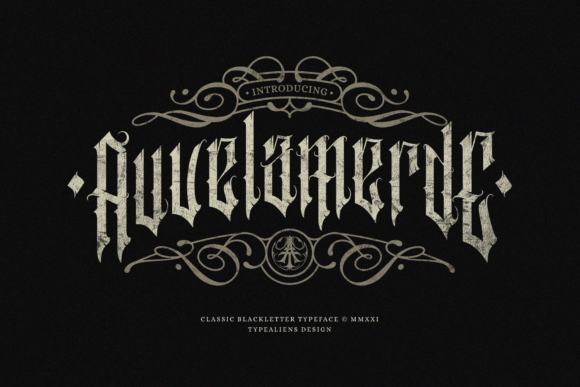
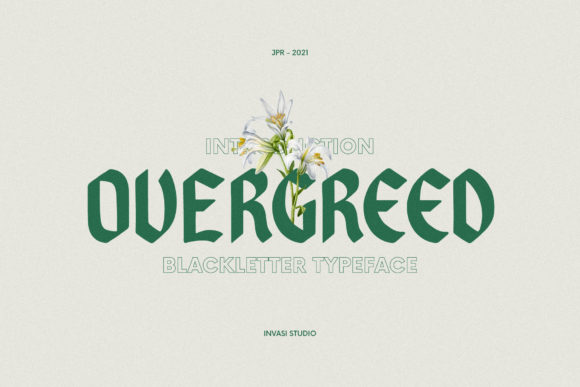
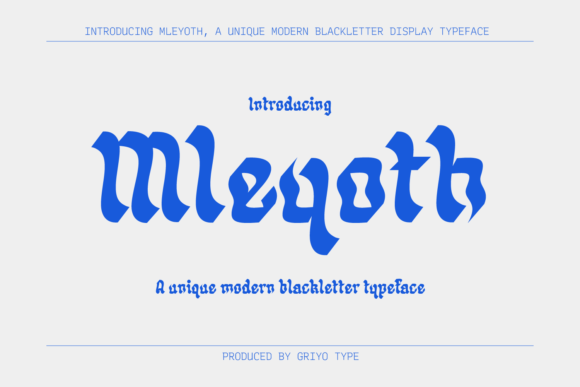
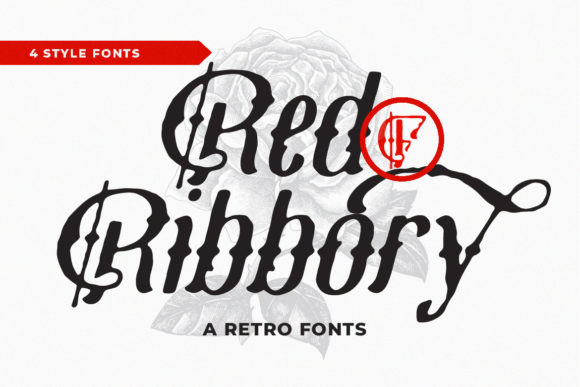
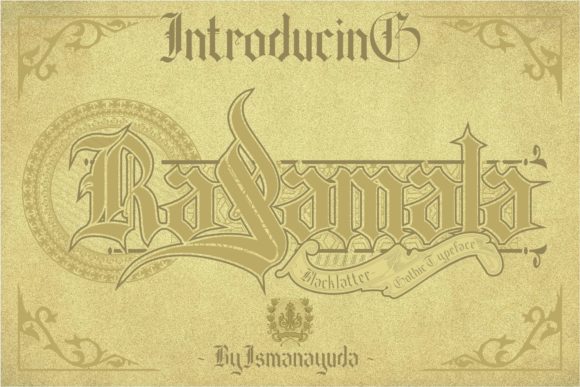
What sets Rasamala apart from other blackletter fonts is its assertive nature. Many traditional blackletter fonts can feel fragile, overly ornate, or difficult to read at smaller sizes. Rasamala, by contrast, features uniquely shaped letters that are bold, structured, and commanding. The thick vertical strokes and sharp, angular serifs create a sense of stability and power. It does not whisper; it speaks with authority.
The font’s distinctive shapes allow it to stand out in crowded visual environments. Unlike standard sans-serif or serif fonts that blend into the background, Rasamala demands to be seen. This makes it an ideal choice for headlines, logos, and any design element where immediate impact is crucial.
Why Choose Rasamala for Your Projects?
Selecting the right typeface is a critical decision in the design process. Rasamala offers several advantages that make it a valuable tool in a designer’s arsenal:
- Immediate Visual Impact: Its imposing structure grabs attention instantly. In a world saturated with content, standing out is half the battle, and Rasamala ensures your message is noticed.
- Versatility in Mood: While often associated with dark themes, Rasamala’s clean lines and balanced proportions allow it to fit into a wide range of aesthetics. It can evoke mystery, tradition, strength, or even playful retro vibes depending on the context.
- Distinctive Character: The uniquely shaped letters provide a level of customization and personality that generic fonts lack. Using Rasamala signals that a project has been thoughtfully crafted with attention to detail.
- Cross-Medium Compatibility: Despite its intricate appearance, Rasamala scales well across various mediums. It looks striking on large-format billboards, elegant on business cards, and crisp on digital screens when sized appropriately.
Practical Applications in Modern Design
Rasamala’s ability to match a wide range of creations lies in its adaptability. Here are some specific areas where this font shines:
Branding and Logo Design
For brands seeking to convey heritage, craftsmanship, or rebellion, Rasamala is a powerful asset. Imagine a craft brewery logo using Rasamala to suggest traditional brewing methods with a modern edge. Or consider a tattoo studio’s branding, where the font’s gothic roots align perfectly with the art form’s history. The key here is pairing Rasamala with simpler, cleaner elements to balance its intensity.
Event Posters and Album Art
Music genres such as metal, punk, and rock have long embraced blackletter aesthetics. Rasamala fits seamlessly into these worlds, offering a legible yet aggressive look for concert posters, flyers, and album covers. Its bold presence ensures that event details are readable from a distance while maintaining the thematic atmosphere.
Editorial and Magazine Layouts
In editorial design, Rasamala can be used sparingly for pull quotes, section headers, or feature titles. When set against a minimalist background, the font creates a striking contrast that draws the reader’s eye to key information. This technique is particularly effective in fashion magazines or lifestyle publications aiming for a sophisticated, edgy vibe.
Digital Marketing and Web Headers
While body text should generally remain in more readable fonts, Rasamala excels in hero sections and banners. A website selling vintage clothing, antique furniture, or horror-themed merchandise can use Rasamala in its main headline to immediately communicate its niche. Just ensure that the rest of the interface uses neutral, highly legible fonts to maintain user experience.
Best Practices for Using Rasamala
Despite its strengths, Rasamala requires careful handling to avoid common pitfalls. Overuse or improper pairing can lead to visual clutter and poor readability. Follow these guidelines to maximize the font’s potential:
- Limit Usage: Treat Rasamala as a display font. Use it for headlines, titles, and short phrases. Avoid using it for long paragraphs or body copy, as the intricate letterforms can fatigue the reader’s eyes.
- Pair Wisely: Balance Rasamala’s complexity with simplicity. Pair it with clean sans-serif fonts (like Helvetica or Roboto) or classic serifs (like Garamond or Baskerville). The contrast between the bold, gothic header and the understated body text creates a harmonious hierarchy.
- Consider Spacing: Blackletter fonts often require generous tracking (letter-spacing) to prevent the thick strokes from merging together. Adjusting spacing can improve legibility and enhance the overall aesthetic appeal.
- Color Matters: The color palette significantly influences how Rasamala is perceived. High-contrast combinations, such as white text on a black background, amplify its imposing nature. Softer colors may dilute its impact, so choose wisely based on the desired mood.
Common Misconceptions About Blackletter Fonts
There is a prevailing assumption that blackletter fonts are outdated or exclusively tied to religious or medieval contexts. This is a misunderstanding that limits their creative potential. Modern interpretations like Rasamala have evolved to reflect contemporary sensibilities. They are no longer confined to ancient manuscripts but are active participants in modern graphic design language.
Another misconception is that blackletter is inherently illegible. While extreme examples exist, well-designed blackletter fonts like Rasamala prioritize clarity alongside style. The goal is not to obscure meaning but to enhance it through visual drama. By choosing a font that balances form and function, designers can leverage the emotional resonance of blackletter without sacrificing communication.
The Future of Rasamala in Creative Industries
As design trends continue to cycle back to nostalgia and authenticity, fonts with historical roots are experiencing a renaissance. Rasamala sits at the intersection of tradition and innovation, making it relevant for future projects. With the rise of personalized branding and experiential marketing, there is a growing demand for typefaces that tell a story. Rasamala tells a story of strength, history, and distinction.
Furthermore, as digital tools become more sophisticated, designers have greater control over typography. Features like variable fonts and advanced kerning tools allow for even more nuanced use of Rasamala. This technological advancement opens up new possibilities for animation, interactive web design, and dynamic branding, ensuring that Rasamala remains a versatile and enduring choice.
Conclusion
Rasamala is more than just a font; it is a design element that brings gravitas and character to any project. Its assertive, gothic styling and uniquely shaped letters make it an invaluable asset for creators looking to add a distinct touch to their work. By understanding its anatomy, respecting best practices, and recognizing its versatility, designers can unlock the full potential of this imposing typeface.
Whether you are crafting a bold brand identity, designing a striking poster, or simply adding emphasis to a digital headline, Rasamala offers a pathway to visual excellence. Embrace its power, pair it thoughtfully, and let it elevate your designs to new heights. In a world of generic templates, Rasamala ensures your voice is heard—loudly, clearly, and memorably.