Aistersix Font Evaluation
Selecting the right typeface is a critical decision in graphic design, branding, and digital content creation. The choice of font influences readability, brand personality, and overall aesthetic cohesion. Among the vast array of available typefaces, Aistersix has emerged as a distinctive option for designers seeking a bold, historical, yet modern impact. This evaluation explores the characteristics of Aistersix, its potential applications, and the practical considerations necessary to determine if it aligns with your specific project requirements.
Understanding Aistersix: Design Characteristics
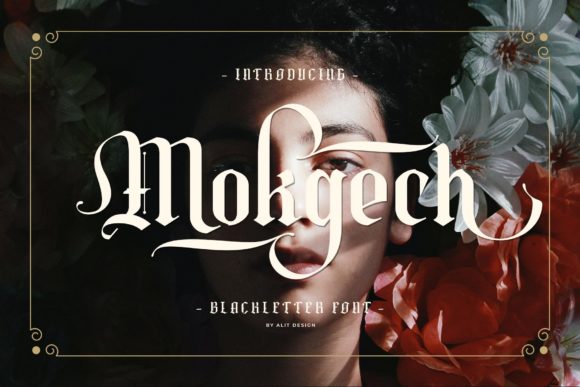
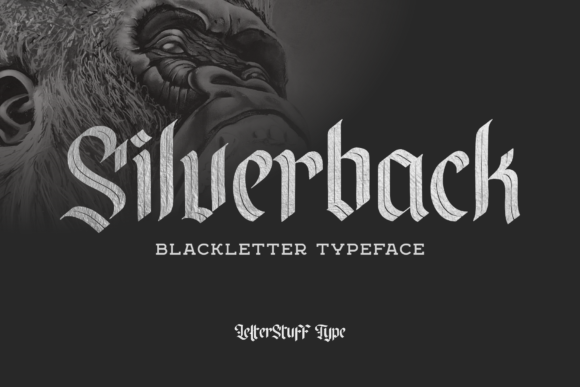
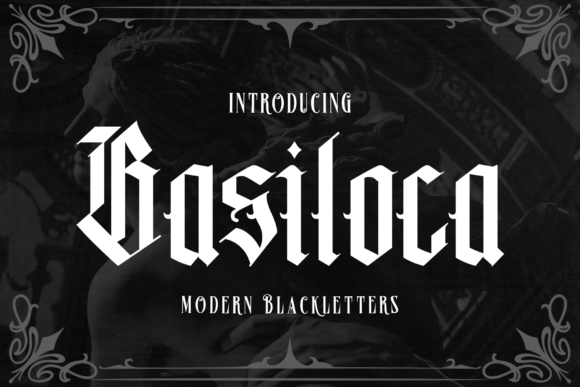
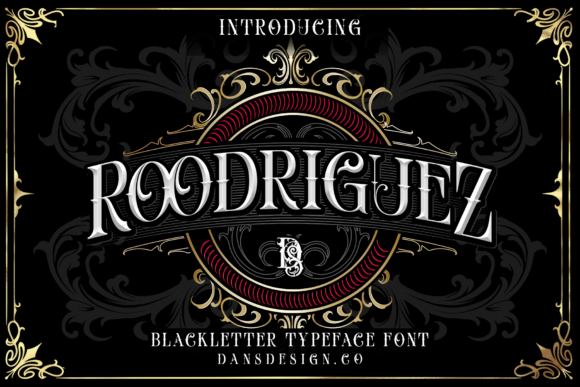
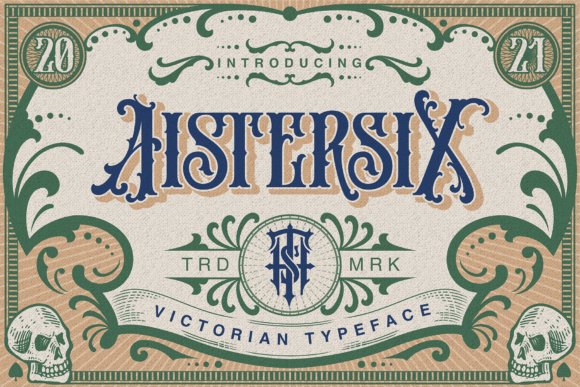
Aistersix is classified as an assertive blackletter font. Blackletter, historically known as Gothic script, originated in Western Europe during the 12th century and was the dominant writing style in manuscripts before the advent of the printing press. While traditional blackletter fonts can often appear dense, difficult to read, or overly ornate, Aistersix offers a contemporary reinterpretation of this style.
The font is characterized by its imposing presence and uniquely shaped letters. Unlike standard serif or sans-serif typefaces that prioritize neutrality, Aistersix demands attention. Its strokes are thick and dramatic, creating a strong visual hierarchy that naturally draws the eye. The unique shaping of the characters provides a distinct touch, setting it apart from more generic display fonts. This design approach makes it particularly suitable for contexts where immediate visual impact is prioritized over extended body text readability.
Visual Impact and Readability
One of the primary features of Aistersix is its ability to convey authority and tradition simultaneously. However, this comes with inherent tradeoffs regarding legibility. Blackletter fonts generally have lower x-heights and complex internal structures, which can make them challenging to read at small sizes or in long paragraphs. Therefore, Aistersix is best utilized in headlines, logos, posters, and short textual elements rather than for continuous reading material. Designers must carefully consider the context in which the font is applied to ensure that the message remains accessible to the audience.
Reasons to Consider Aistersix
When evaluating typefaces, designers often look for fonts that offer a specific "distinct touch." Aistersix fits this criterion effectively. Below are several reasons why a designer or brand might choose this font:
- Brand Differentiation: In a market saturated with clean, minimalist sans-serif fonts, Aistersix provides a sharp contrast. It helps brands stand out by invoking a sense of history, craftsmanship, or rebellion, depending on how it is styled.
- Thematic Versatility: Despite its historical roots, Aistersix can match a wide range of creations. It is not limited to medieval or fantasy themes. Its modern execution allows it to fit into rock music aesthetics, craft beer branding, tattoo studios, and even high-fashion editorial layouts.
- Assertive Tone: If the goal is to communicate strength, stability, or unapologetic confidence, Aistersix delivers this tone visually. The weight and structure of the letters suggest permanence and solidity.
- Aesthetic Cohesion: For projects that require a dark, moody, or intense atmosphere, Aistersix integrates seamlessly. It pairs well with heavy textures, metallic accents, and low-light photography.
Practical Applications and Use Cases
To maximize the effectiveness of Aistersix, it is essential to apply it in situations where its strengths are highlighted. The following scenarios represent strong fits for this typeface:
- Logo Design: For businesses such as breweries, distilleries, barbershops, or automotive workshops, a logo featuring Aistersix can immediately signal quality and heritage. The uniqueness of the letter shapes ensures memorability.
- Event Posters and Flyers: Music festivals, especially those in metal, punk, or alternative genres, benefit from the aggressive energy of Aistersix. It captures the essence of live performance and raw emotion.
- Product Packaging: Limited edition products, artisanal goods, or luxury items seeking a rugged appeal can use Aistersix for labeling. The font adds a layer of perceived value through its association with handcrafted traditions.
- Web Headers and Banners: On digital platforms, using Aistersix for hero sections or navigation headers can create a striking first impression. However, care must be taken to ensure sufficient contrast and size to maintain readability on various screen resolutions.
Tradeoffs and Considerations
While Aistersix offers significant aesthetic benefits, it is not a universal solution. Understanding its limitations is crucial for effective design implementation.
Readability Constraints
As noted earlier, the complexity of blackletter forms makes them unsuitable for body text. Using Aistersix for paragraphs will likely frustrate readers and increase bounce rates on websites. It should always be paired with a highly legible secondary font, such as a simple sans-serif or a classic serif, for supporting content. This combination creates a balanced typographic hierarchy.
Cultural and Contextual Sensitivity
Blackletter fonts carry historical connotations that may not always be appropriate. In certain professional or corporate environments, Aistersix might appear too informal or aggressive. Additionally, due to the historical associations of blackletter scripts, designers should be mindful of cultural sensitivities and avoid using the font in ways that could be perceived as appropriating or misrepresenting historical contexts.
Licensing and Availability
Before integrating Aistersix into a commercial project, verify the licensing terms. Some unique fonts may have restrictive usage rights or higher costs compared to open-source alternatives. Ensuring proper licensing protects against legal issues and supports the type foundry.
Alternatives to Consider
If Aistersix does not fully meet your needs, several alternatives may be worth exploring based on specific criteria:
- For Better Legibility: If you need a blackletter style but with improved readability, consider modern interpretations like Gotham Black (with caution) or lighter weights of traditional blackletters. These options retain the aesthetic while reducing visual clutter.
- For Corporate Use: If the project requires a more neutral tone, sans-serif fonts like Helvetica or Roboto offer clarity and professionalism without the historical baggage.
- For Elegant Heritage: If the goal is sophistication rather than assertion, serif fonts like Baskerville or Garamond provide a timeless elegance that is easier to pair with body text.
Decision-Making Insights
To determine whether Aistersix is the right choice for your project, ask yourself the following questions:
- What is the primary message? Does your brand or project require a statement of strength and distinction? If yes, Aistersix is a strong candidate.
- Who is the audience? Will your target audience appreciate a bold, unconventional typeface? If the audience values tradition or edginess, Aistersix will resonate well.
- Where will it be used? Is the application limited to display purposes? If the font will be used extensively in body text, consider a more readable alternative.
- How will it be paired? Are you prepared to pair Aistersix with a complementary, highly legible font? Successful typography relies on contrast and balance.
In conclusion, Aistersix is a powerful tool for designers seeking to make a bold statement. Its assertive nature and unique letterforms allow it to stand out in crowded visual landscapes. However, its use requires careful consideration of readability, context, and pairing strategies. By understanding both its strengths and limitations, you can leverage Aistersix to create compelling, memorable designs that effectively communicate your intended message. Whether for a brand identity, a promotional campaign, or artistic expression, Aistersix offers a distinct touch that can elevate your creative work when used judiciously.