Unleashing the Horror: A Deep Dive into Scary Benko
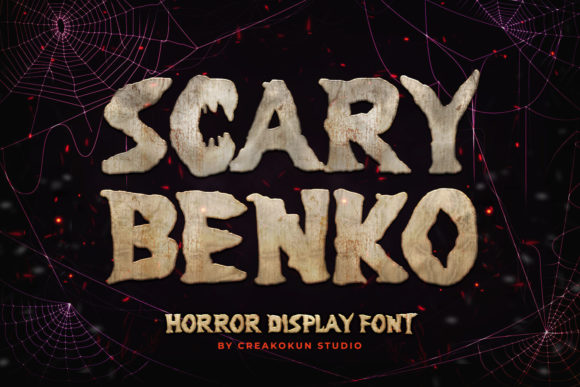
In the vast landscape of digital typography, where thousands of typefaces vie for attention on screens and print alike, finding a font that truly commands fear is no small feat. Many designers struggle to find a balance between legibility and aesthetic impact when creating horror-themed content. Enter Scary Benko, a dramatic, thick lettered blackletter font designed specifically for those who need their designs to look spooktacular. This article explores the unique characteristics, practical applications, and strategic value of Scary Benko for creators, business owners, and hobbyists alike.
The Anatomy of Fear in Typography
To understand why Scary Benko stands out, one must first appreciate the psychology behind horror design. Horror relies heavily on atmosphere—shadow, tension, and the unknown. Typography plays a crucial role in establishing this mood before a single word is even read. The human eye is naturally drawn to sharp angles, heavy weights, and irregular textures. These elements trigger a primal response associated with danger or the supernatural.
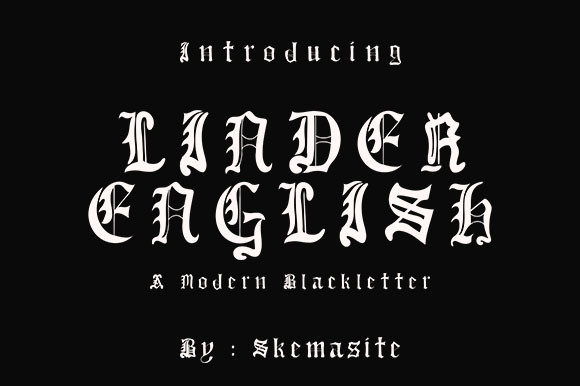
Scary Benko capitalizes on these psychological triggers. It is not merely a decorative font; it is a tool for emotional manipulation. By utilizing a blackletter structure—a style historically associated with medieval manuscripts and gothic architecture—the font immediately evokes a sense of antiquity and solemnity. However, unlike traditional Fraktur or Old English fonts which can sometimes feel too formal or academic, Scary Benko adds a layer of modern aggression. The letters are thick, imposing, and slightly distorted, giving them a visceral quality that feels like it could tear through a poster if pushed hard enough.
Key Characteristics of Scary Benko
- Dramatic Weight: The strokes are bold and heavy, ensuring visibility even at smaller sizes or from a distance. This makes it ideal for headlines and titles.
- Horror Aesthetic: The glyphs feature jagged edges and uneven baselines that suggest decay, damage, or supernatural interference.
- Versatile Blackletter Base: While rooted in historical calligraphy, the interpretation is modernized to fit contemporary graphic design trends.
- High Contrast Potential: The dark nature of the font creates striking contrast against light backgrounds, enhancing readability while maintaining an eerie vibe.
Where Scary Benko Shines: Practical Applications
One of the most common questions designers ask is, "Where should I use this?" The answer lies in the specific niches where atmosphere is paramount. Scary Benko is not suited for body text or long-form articles, but it excels in contexts where immediate visual impact is required.
Halloween Crafts and DIY Projects
For crafters, holiday decorations are a massive market. Whether you are using a Cricut or Silhouette machine to cut vinyl for windows, or printing labels for homemade treats, Scary Benko provides a professional finish without requiring advanced illustration skills. Imagine a set of mason jar labels for pumpkin spice lattes or a banner for a haunted house entrance. The font’s thickness ensures that details remain intact even when scaled down, making it perfect for intricate die-cuts.
Horror Movie Posters and Event Flyers
In the entertainment industry, a poster must grab attention within seconds. Scary Benko serves as an excellent headline font for movie posters, stage play advertisements, and local theater events. Its aggressive styling complements imagery of monsters, ghosts, or dark landscapes. When paired with a gritty texture overlay or blood-red accents, the font amplifies the terror, setting the tone before the audience even enters the theater.
Apparel and Merchandise Design
The streetwear and alternative fashion markets have a constant demand for edgy graphics. T-shirts, hoodies, and hats featuring horror themes benefit greatly from the bold presence of Scary Benko. Because the font is thick, it prints well on various fabrics and materials, including screen printing, DTG (Direct-to-Garment), and vinyl transfers. It ensures that the design remains legible and impactful whether viewed up close on a tag or from across a crowded room.
Evaluating Suitability for Your Project
While Scary Benko is a powerful tool, it is not a one-size-fits-all solution. Understanding its limitations is just as important as recognizing its strengths. Here is a guide to help you decide if this font aligns with your project goals.
Strengths to Leverage
- Instant Recognition: The font is instantly identifiable as "horror" or "gothic." You do not need additional imagery to convey the theme; the typography does the heavy lifting.
- Brand Consistency: For businesses that operate in the Halloween attraction industry (haunted houses, escape rooms), using Scary Benko across all marketing materials creates a cohesive brand identity.
- Emotional Resonance: It effectively communicates excitement, thrill, and fright, which are the desired emotions for horror-related products.
Considerations and Limitations
However, there are caveats to keep in mind. First, legibility can be a challenge. Due to the complex shapes of blackletter characters, reading long paragraphs in Scary Benko is difficult and visually exhausting. Therefore, it should strictly be used for short texts such as titles, slogans, or key phrases.
Second, consider your target audience. If your goal is to appeal to a broad demographic that includes children under ten or individuals sensitive to violent imagery, the aggressive nature of the font might be off-putting. In such cases, a more playful "spooky" font might be more appropriate.
Finally, think about context. Using Scary Benko for a corporate newsletter or a wedding invitation would likely result in confusion or offense. Ensure that the tone of your message matches the severity of the font.
Best Practices for Integration
To get the most out of Scary Benko, follow these practical tips for integration into your design workflow:
- Pairing Fonts: Combine Scary Benko with a clean, simple sans-serif font for secondary information. For example, use Scary Benko for the main title "HALLOWEEN HORROR NIGHT" and a lightweight Arial or Helvetica for the date and location. This contrast prevents the design from becoming overwhelming.
- Color Psychology: While black is the standard, don’t shy away from color. Deep reds, sickly greens, or electric purples can enhance the horror effect. Experiment with gradients or distressed textures to give the text a worn, ancient look.
- Spacing and Kerning: Blackletter fonts often require careful adjustment of spacing. Tighten the kerning slightly to create a solid block of text, or loosen it to create a disjointed, unsettling effect depending on the desired mood.
- Texture Overlays: To make the font feel more integrated into a scene, apply noise, grunge, or blood splatter overlays. This breaks up the digital perfection of the vector lines and adds realism.
Conclusion: Adding Spooktacular Value
Scary Benko is more than just a font; it is a statement. It offers creators a reliable way to inject drama, intensity, and thematic clarity into their projects. Whether you are a professional graphic designer crafting a campaign for a major film studio, a small business owner launching a seasonal product line, or a hobbyist decorating your home for October, this typeface provides the visual weight necessary to stand out.
By understanding its characteristics and respecting its limitations, you can harness the power of Scary Benko to create designs that are not only visible but unforgettable. In a world saturated with content, having the right tool to capture attention—and perhaps a little bit of fear—is invaluable. So, open your design software, select Scary Benko, and let your creativity run wild in the dark.
Remember, the best horror is not just what you see, but how it makes you feel. Let the thick, dramatic strokes of Scary Benko guide your audience into the experience they are seeking.