The Dark Allure of Overgreed: Elevating Design with Bold Blackletter Typography
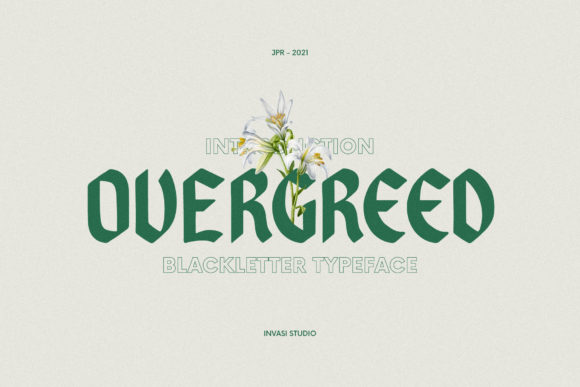
In a design landscape often dominated by minimalism and sans-serif clarity, there remains a powerful niche for typefaces that demand attention. Overgreed is not merely a font; it is a statement. This distinctively designed blackletter typeface brings a sense of historical weight, modern edge, and unmistakable character to any project. Whether you are a seasoned graphic designer looking to add texture to a brand identity or a hobbyist crafter aiming to create unique handmade gifts, Overgreed offers a versatile solution that bridges the gap between medieval tradition and contemporary aesthetics.
Understanding the true potential of this typeface requires looking beyond its sharp serifs and intricate strokes. It is about recognizing how visual hierarchy, emotional resonance, and practical application intersect. When used correctly, Overgreed can transform mundane materials into premium artifacts, turning simple cards, labels, and branding elements into memorable experiences.
Decoding the Aesthetic: Why Blackletter Still Matters
Blackletter, historically associated with manuscripts and early printing presses, has undergone a significant renaissance in modern design. It is no longer confined to heavy metal album covers or gothic literature. Today, it serves as a tool for evoking specific moods—authenticity, rebellion, luxury, or craftsmanship. Overgreed captures this essence perfectly. Its design is intentionally bold, ensuring that it stands out even at smaller sizes, yet it retains enough detail to reward closer inspection.
The "over" prefix in the name suggests an abundance of character. This is a font that does not whisper; it speaks loudly. For designers, this presents both an opportunity and a challenge. The key lies in balance. Because Overgreed is so visually dominant, it works best when given room to breathe. It thrives in contexts where contrast is high, whether that be against clean white backgrounds or textured, organic papers. By pairing this heavy typeface with lighter, simpler elements, creators can achieve a sophisticated look that feels both timeless and fresh.
Practical Applications in Branding and Identity
One of the most compelling uses for Overgreed is in brand identity development. In industries ranging from artisanal food production to boutique fashion, brands are constantly seeking ways to differentiate themselves. A logo or wordmark set in Overgreed immediately signals quality and heritage. It suggests that the product behind the brand is crafted with care and intention.
- Breweries and Distilleries: The rugged nature of blackletter pairs naturally with craft beverages. Labels featuring Overgreed can evoke the feeling of old-world brewing traditions while maintaining a modern shelf presence.
- Fashion and Apparel: Streetwear brands often utilize blackletter to convey attitude and exclusivity. T-shirts, tags, and hangtags designed with Overgreed can instantly elevate the perceived value of the garment.
- Event Invitations: For weddings, galas, or corporate events with a vintage or formal theme, Overgreed adds a layer of elegance and formality that standard fonts simply cannot match.
When integrating Overgreed into a broader brand system, consider color palettes. Deep blacks, rich golds, and muted earth tones tend to complement the font’s dark aesthetic. Avoid overly bright, neon colors unless you are aiming for a specific ironic or cyberpunk effect, as these can clash with the font’s inherent gravitas.
Crafting with Character: From Cards to Labels
For the DIY community and small business owners, Overgreed is a secret weapon. Crafting is all about personalization, and typography plays a huge role in making items feel bespoke. Imagine creating wedding invitations where the couple’s names are rendered in Overgreed, surrounded by delicate floral line art. The contrast between the ornate text and the soft imagery creates a visually striking composition that guests will remember.
Labels are another area where this font shines. If you are selling homemade jams, candles, or skincare products, your packaging is your first point of contact with the customer. A label printed with Overgreed suggests that the contents are premium and handcrafted. It tells the consumer, "This was made by someone who cares about details."
- Selection of Material: Pair Overgreed with thick cardstock, kraft paper, or textured vinyl. The physical texture of the material enhances the visual texture of the font.
- Printing Techniques: Consider foil stamping or embossing. These techniques add a tactile dimension that complements the boldness of the letters. Gold foil on black paper, for instance, can make Overgreed pop with luxurious intensity.
- Layout Balance: Do not overcrowd the design. Let the font be the hero. Use ample negative space around the text to prevent the design from feeling cluttered or heavy.
Technical Considerations and Best Practices
While Overgreed is stunning, it is not a one-size-fits-all solution. There are technical aspects to consider to ensure your designs remain legible and professional. First, kerning (the spacing between individual characters) is crucial. Blackletter fonts have complex interactions between letters, and improper spacing can make the text look muddy or unreadable. Always check your kerning carefully, especially when using long words or phrases.
Secondly, think about readability. While Overgreed is excellent for headlines, logos, and short statements, it may be too dense for body text. Using it for paragraphs can strain the reader’s eyes and detract from the message. Instead, use a clean, highly readable sans-serif or serif font for supporting copy. This juxtaposition allows the eye to rest after absorbing the impact of the blackletter heading.
Another common pitfall is scaling. Because Overgreed has such intricate details, scaling it down too much can cause those details to blur or disappear, especially in digital formats. Ensure that your final output resolution is high enough to preserve the sharp edges and fine lines of the font. If you are designing for social media, test how the font looks on mobile screens to ensure it remains impactful.
Integrating Overgreed into Modern Workflows
Incorporating Overgreed into your creative workflow doesn’t require specialized skills, but it does require a shift in mindset. You must approach each project with the understanding that this font carries weight. It is not just decoration; it is a foundational element of the design.
Start by experimenting with mockups. Before committing to a final design, try placing Overgreed over various background textures and colors. See how it interacts with images. Does it overpower the photograph? Does it blend seamlessly with the color scheme? These experiments will help you develop an intuitive sense of how to use the font effectively.
Furthermore, explore variations within the font family if available. Some blackletter fonts come in different weights or styles, allowing for greater flexibility. Even if Overgreed is offered as a single style, you can play with size, color, and opacity to create depth and interest. For example, using a semi-transparent overlay of the font as a background element can add subtle texture without distracting from the main content.
Conclusion: Unleashing Creative Potential
Ultimately, the power of Overgreed lies in its ability to surprise and delight. It challenges the norm and invites viewers to engage with the design on a deeper level. By adding it confidently to your favorite creations, you are not just choosing a font; you are choosing a voice. That voice is bold, historic, and undeniably stylish.
Whether you are designing a high-end brand identity, crafting personalized gifts, or labeling your latest artisanal product, Overgreed provides the perfect tool to make your work stand out. Let yourself be amazed by the outcome generated when you combine this distinctive typeface with your own creative vision. The result will be more than just a design—it will be an experience.