Roodriguez Font Evaluation
In the landscape of contemporary typography, designers often seek typefaces that bridge the gap between historical tradition and modern graphic impact. Roodriguez has emerged as a distinctive option within this niche, specifically catering to projects that require a bold, high-contrast aesthetic rooted in blackletter traditions but updated for current design sensibilities. This evaluation explores the characteristics of Roodriguez, its technical composition as a duo font combining blackletter forms with dingbats, and the practical considerations for integrating it into professional design workflows.
Understanding the Roodriguez Typeface
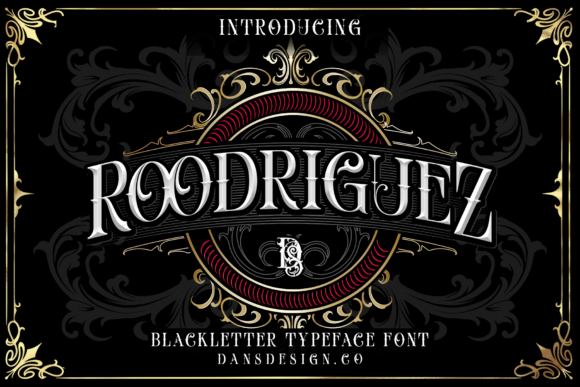
Roodriguez is not merely a standard text font; it is a specialized display typeface designed to command attention. At its core, it is a blackletter or gothic-inspired font. Blackletter styles are characterized by their dense, angular letterforms, heavy vertical stress, and intricate detailing that harks back to medieval manuscript traditions. However, Roodriguez diverges from strict historical accuracy by incorporating modern geometric refinements that make it more legible and versatile than its ancient predecessors.
The defining feature of Roodriguez is its identity as a "duo font." This classification indicates that the package includes two distinct but complementary components: the primary blackletter alphabet and a suite of decorative dingbats. The integration of these elements allows designers to create complex visual hierarchies without needing to source additional clip art or iconography. By combining text and ornamentation into a single cohesive system, Roodriguez offers a unified visual language that enhances brand consistency in typographic-heavy designs.
Key Characteristics and Design Appeal
When evaluating Roodriguez, several key attributes stand out that contribute to its appeal among graphic designers, branding specialists, and illustrators.
- Bold Visual Presence: The heavy weight and sharp angles of the blackletter forms ensure that text set in Roodriguez immediately grabs the viewer’s eye. This makes it particularly effective for headlines, logos, and poster art where immediate impact is required.
- Dingbat Integration: The included dingbats are not generic symbols but are stylistically matched to the blackletter forms. These ornaments can be used as bullet points, section dividers, or standalone graphical elements, adding texture and depth to layouts.
- Versatility within Niche: While blackletter fonts are often restricted to specific themes (such as beer labels or heavy metal band merchandise), Roodriguez’s modernized cuts allow it to fit into broader contexts, including fashion branding, editorial design, and urban streetwear aesthetics.
- Cohesive Pairing: Because the font and dingbats share the same structural DNA, they pair seamlessly. This reduces the cognitive load on the designer, who does not need to worry about mismatched weights or inconsistent stylistic tones between text and icons.
Practical Applications and Use Cases
Deciding when to use Roodriguez requires an understanding of its strengths and limitations. It is not a general-purpose font for body text or long-form reading. Instead, it excels in short, impactful applications.
Branding and Logotypes
One of the strongest use cases for Roodriguez is in logo design. The combination of strong letterforms and integrated ornaments allows for the creation of monograms or wordmarks that feel both historic and contemporary. Brands aiming for a rugged, artisanal, or rebellious image may find Roodriguez aligns well with their visual identity.
Editorial and Print Media
In magazine covers, album art, or concert posters, Roodriguez provides the necessary hierarchy to separate titles from supporting information. The dingbats can be utilized to frame text blocks or emphasize key phrases, creating a dynamic layout that holds the reader’s attention.
Packaging Design
For products such as craft beverages, leather goods, or specialty foods, packaging often benefits from a tactile, hand-crafted feel. Roodriguez delivers this aesthetic through its textured appearance, helping products stand out on crowded shelves.
Considerations and Tradeoffs
While Roodriguez offers significant aesthetic advantages, there are important tradeoffs that designers must consider before selecting it for a project.
Legibility Challenges
Blackletter fonts inherently struggle with readability, especially at small sizes or in low-resolution digital environments. The dense strokes and complex details can cause letters to merge, making them difficult to decipher. Therefore, Roodriguez should never be used for paragraphs of text, navigation menus, or any interface element requiring quick scanning.
Licensing and Usage Rights
As with many specialized display fonts, licensing terms for Roodriguez may vary. Designers must verify whether the license covers commercial use, web embedding, or merchandise production. Some fonts restrict the number of impressions or require additional fees for large-scale distribution.
Compatibility with Sans-Serif Pairings
To balance the heaviness of Roodriguez, it is typically paired with clean, minimalist sans-serif fonts for secondary information. However, finding the right contrast can be challenging. If the pairing is too similar, the design may look cluttered; if too disparate, it may lack cohesion. Careful testing of font combinations is essential.
Alternatives and Comparative Analysis
If Roodriguez does not fully meet the needs of a specific project, several alternatives exist in the market. Designers might consider other blackletter-dingbat hybrids like Old English variations or modern gothic fonts such as Fette Fraktur or Bodoni Poster. Each alternative offers different balances of historical accuracy and modern usability.
For projects requiring less visual aggression, a slab serif or a humanist sans-serif might provide better readability while still maintaining a strong presence. Conversely, for those seeking even more ornate decoration, fonts with extensive swash characters might be preferable to the dingbat approach.
Decision-Making Framework
To determine if Roodriguez is the right choice, consider the following questions:
- What is the primary goal of the design? If the goal is maximum visual impact and brand memorability, Roodriguez is a strong candidate. If clarity and speed of communication are prioritized, a simpler typeface may be better.
- Where will the font be displayed? For print media, posters, and large-format displays, Roodriguez shines. For mobile apps, websites, or small-scale packaging, its complexity may hinder user experience.
- Does the brand voice align with the aesthetic? Roodriguez conveys strength, tradition, and boldness. Ensure these values match the brand’s personality.
Conclusion
Roodriguez represents a compelling intersection of historical blackletter tradition and modern graphic utility. Its dual nature as a text and dingbat system offers unique opportunities for creative expression, particularly in branding and editorial design. However, its effectiveness is contingent upon appropriate application. Designers must respect its limitations regarding legibility and context to leverage its full potential. When used judiciously, Roodriguez can elevate a design from ordinary to extraordinary, providing the bold, standout quality that many contemporary projects demand.
Ultimately, the decision to use Roodriguez should be driven by the specific needs of the project rather than trend alone. By carefully evaluating the audience, medium, and message, designers can determine whether this stunning duo font is the right tool for the job.