Mokgech Font Evaluation
Selecting the right typeface is a critical component of visual communication, influencing readability, brand perception, and overall aesthetic cohesion. Among the vast library of display fonts available to designers, Mokgech stands out as a distinct option within the blackletter genre. This article provides an objective evaluation of Mokgech, examining its technical specifications, aesthetic characteristics, and practical applications to help designers determine if it aligns with their project requirements.
Understanding Mokgech: A Technical Overview
Mokgech is classified as a blackletter font, a style rooted in medieval calligraphy that has seen periodic revivals in modern graphic design. What distinguishes Mokgech from many traditional blackletter typefaces is its specific encoding method. The font utilizes PUA (Private Use Area) encoding. In standard typography, characters are mapped to specific Unicode code points. However, PUA encoding places glyphs in a reserved section of the character set that does not have a standardized mapping across all systems.
This technical choice has significant implications for how the font functions. While it allows the designer to include a vast array of specialized glyphs, ligatures, and decorative elements without cluttering the standard character map, it requires specific handling during implementation. Users can access these "amazing glyphs and ligatures with ease" through the font’s internal menu or dedicated input methods, but this convenience comes with the trade-off of reduced compatibility in environments that do not support custom glyph selection tools.
Aesthetic Characteristics and Visual Impact
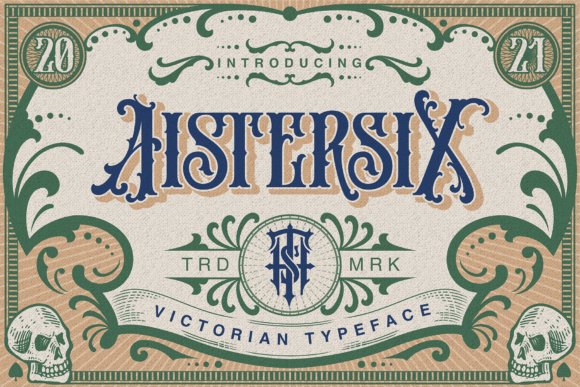
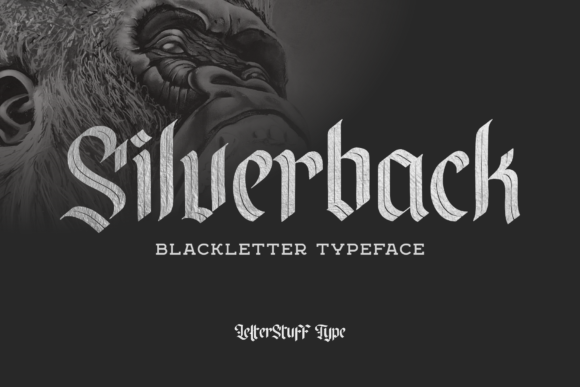
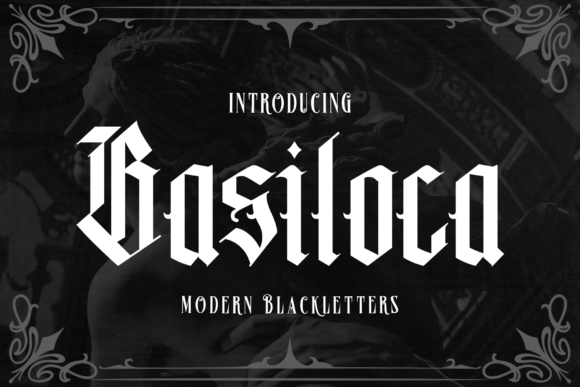
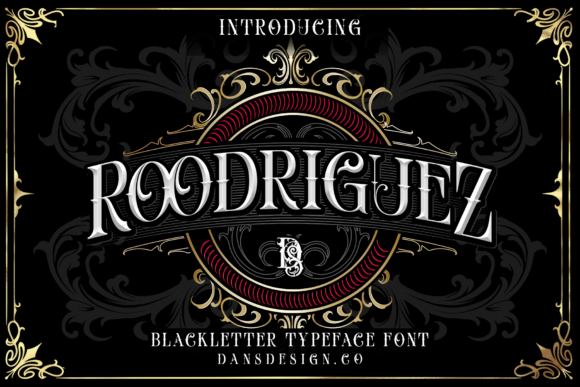
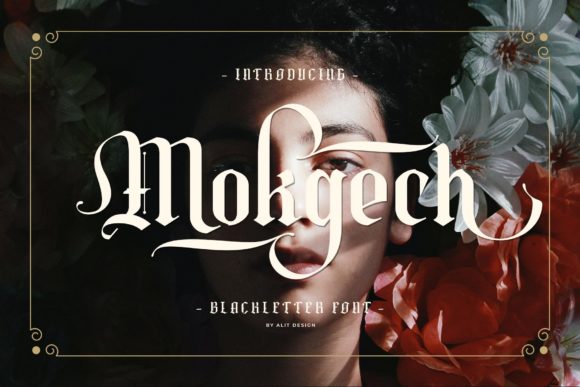
The primary appeal of Mokgech lies in its bold and elegant presentation. Blackletter fonts are inherently heavy, featuring dense vertical strokes and intricate crossbars. Mokgech embraces this density while maintaining a level of refinement that prevents it from appearing merely archaic or chaotic. The term "elegant" in this context refers to the balanced proportions of its letterforms, which manage to convey authority without sacrificing legibility entirely, provided they are used at appropriate sizes.
The font’s distinctiveness makes it highly memorable. In a digital landscape saturated with sans-serif and geometric grotesque fonts, Mokgech offers a sharp contrast. It commands attention and evokes a sense of tradition, heritage, or gothic sophistication. For brands seeking to project strength, history, or exclusivity, the visual weight of Mokgech serves as a powerful tool. However, this boldness also means that the font demands space. It is not a subtle background texture; it is a foreground element that dictates the hierarchy of the design.
Practical Benefits and Use Cases
Evaluating whether Mokgech fits a project involves looking at where its strengths shine brightest. The font is particularly well-suited for contexts where atmosphere and thematic consistency are prioritized over rapid information scanning.
- Branding and Logos: The unique ligatures and bold forms make Mokgech an excellent candidate for logo design, particularly for industries such as craft brewing, heavy metal music, tattoo studios, or artisanal food and beverage brands. The font communicates a niche identity that resonates with specific subcultures.
- Display Typography: Due to its complexity, Mokgech is best used for headlines, titles, and short phrases rather than body text. Its ability to create striking visual hooks makes it ideal for poster art, album covers, and packaging design.
- Thematic Immersion: In web design or editorial layouts that require a historical or fantasy theme, Mokgech can establish the mood immediately. When paired with complementary serif or rustic sans-serif fonts, it can anchor a layout in a specific era or style.
Tradeoffs and Implementation Challenges
While Mokgech offers a distinctive aesthetic, potential users must consider several technical and practical limitations. The most significant hurdle is the PUA encoding. Because these characters are not part of the standard Unicode standard, they may not render correctly on all devices, browsers, or operating systems unless the user explicitly selects them via a font-specific interface. This can lead to broken text or missing glyphs in dynamic content management systems (CMS) or when copy-pasting text between different applications.
Furthermore, blackletter fonts generally suffer from lower readability at small sizes. The dense ink traps and intricate details can cause letters to blur together when scaled down. Therefore, Mokgech should never be used for long-form body copy, navigation menus, or accessibility-critical text. Designers must plan for high-contrast backgrounds and sufficient white space to allow the font to breathe. Without adequate spacing, the elegance of the font can devolve into visual noise.
Comparison with Alternatives
When evaluating Mokgech, it is helpful to compare it with other options in the blackletter spectrum. Traditional blackletters like Old English or Fraktur are widely supported because they use standard Unicode mappings. These alternatives offer greater reliability for web deployment and easier integration into word processing software. However, they often lack the curated ligature sets and modern refinements found in Mokgech.
Modern interpretations of blackletter, such as those by independent foundries, may offer similar aesthetics with better font-weight variations (light, regular, bold). If a project requires typographic hierarchy using the same family, Mokgech’s single-style nature might be a limitation compared to more comprehensive font families. Additionally, for projects requiring a lighter touch, alternative scripts like Gothic Revival serifs or stylized humanist sans-serifs might provide the desired "bold" feel without the extreme density of a full blackletter.
Decision-Making Insights for Designers
To determine if Mokgech is the right choice, designers should ask three key questions:
- Is the medium static or dynamic? If the text will be generated dynamically by users or automated systems, the PUA encoding poses a risk. Static designs, such as print materials or pre-rendered images, mitigate this issue.
- What is the reading duration? For brief exposures, such as a banner headline, Mokgech’s impact is maximized. For extended reading, the cognitive load required to decipher the letterforms will likely frustrate the user.
- Does the brand voice match the font’s personality? Mokgech is assertive and traditional. It clashes with minimalist, tech-forward, or playful brand identities. It aligns best with brands that value craftsmanship, heritage, or edginess.
Conclusion
Mokgech is a specialized tool rather than a general-purpose typeface. Its value lies in its ability to deliver a bold, elegant, and distinct visual statement through its extensive ligature set and PUA-encoded glyphs. While it presents challenges regarding compatibility and readability, these are manageable with careful planning. For designers working on branding, display graphics, or thematic projects where visual impact outweighs functional utility, Mokgech offers a compelling solution. However, for projects requiring broad accessibility, dynamic content generation, or extensive body text, alternative typefaces with standard encoding and higher legibility profiles remain the more prudent choice.