Unleashing the Dark Side: Why Magma Is the Ultimate Choice for Spooky and Dramatic Designs
In the vast landscape of typography, most fonts strive for clarity, neutrality, or approachability. They want to be read easily, blended into the background, or used to convey a sense of calm professionalism. But every now and then, a designer needs something that screams. Something that grabs the viewer by the collar and refuses to let go until the message is delivered with maximum impact. This is where Magma steps in.
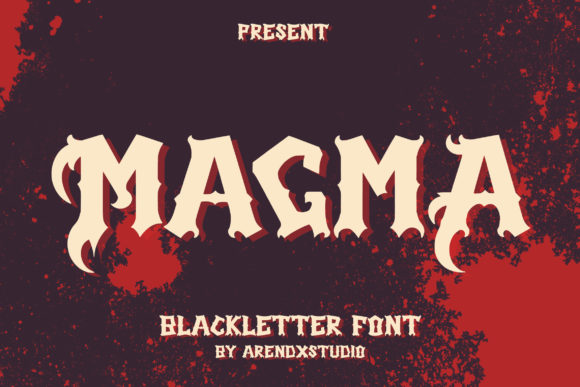
Magma is not just another blackletter typeface; it is a bold, spooky, and dramatic font designed to inject an immediate sense of unease, history, and theatricality into any project. Whether you are designing a poster for a Halloween event, creating branding for a heavy metal band, or crafting a horror-themed video game interface, Magma offers the perfect visual weight to set the tone. It is a tool for those who understand that sometimes, the best way to communicate is through atmosphere.
The Anatomy of Fear: Understanding Magma’s Aesthetic
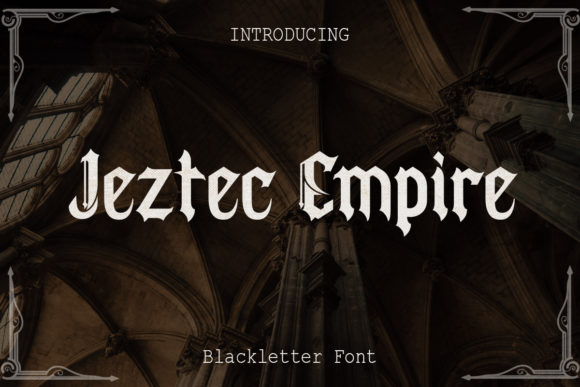
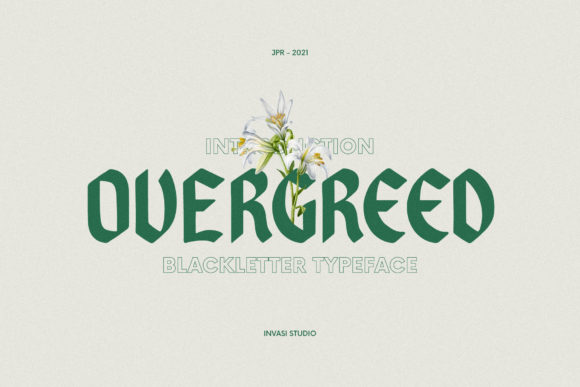
To appreciate Magma, one must first understand the tradition it draws from. Blackletter, also known as Gothic script, has roots in medieval manuscripts. It was once the standard for written communication in Europe, characterized by its dense, intricate, and highly decorative letterforms. However, Magma takes this historical foundation and twists it. It does not aim for the legibility of a Gutenberg Bible. Instead, it leans heavily into the gothic aspect of the term—dark, brooding, and imposing.
The font features sharp angles, exaggerated serifs, and a high-contrast structure that mimics the jagged edges of broken stone or the flickering shadows of a haunted house. When you place Magma on a screen or page, it dominates. The letters seem to loom over the content, demanding attention. This is not a font for body text. It is a display font, meant to be seen, felt, and perhaps slightly intimidated by.
The "spooky" quality comes from its irregularities. While many modern fonts are mathematically precise, Magma retains a hand-crafted feel. The strokes vary in thickness, giving it an organic, almost living quality. It looks like it was carved by candlelight or scratched onto a tombstone with a trembling hand. This imperfection is what makes it effective. Perfection feels sterile; imperfection feels human, and therefore, scarier.
Where Magma Fits in Modern Design Workflows
You might wonder if such a specific and aggressive font has a place in today’s clean, minimalist design trends. The answer is yes, but only when used with intention. Magma thrives in niches where mood is more important than information density. Here is how designers are currently leveraging this bold typeface across various industries:
- Event Marketing and Entertainment: From local haunted hayrides to large-scale horror conventions, Magma is a staple. Its dramatic flair instantly communicates the genre. A concert flyer using Magma tells the audience exactly what kind of night they are signing up for before they even read the artist's name.
- Gaming and Interactive Media: In the world of indie horror games or RPGs with dark fantasy settings, UI elements often require titles that feel ancient or cursed. Magma works beautifully for quest logs, boss names, or item descriptions, adding a layer of narrative depth without needing complex graphics.
- Brand Identity for Niche Markets: Craft breweries with dark beer themes, tattoo studios, and alternative fashion brands often use Magma to establish their identity. It signals rebellion, tradition, and a rejection of mainstream polish. It says, "We are not here to please everyone; we are here to attract our tribe."
- Social Media Graphics: In a feed cluttered with pastel colors and sans-serif minimalism, a post featuring Magma stands out. For seasonal campaigns (like October promotions), it provides an instant thematic hook that users recognize within milliseconds.
Practical Considerations for Using Magma
While Magma is powerful, it is also dangerous. Used incorrectly, it can make a design look amateurish, cluttered, or unreadable. To get the most out of this blackletter gem, designers need to follow a few practical rules of engagement.
Less is More
The cardinal rule of using Magma is restraint. Do not use it for paragraphs. Do not use it for navigation menus. Use it for headlines, logos, and short phrases. Because the letterforms are so complex and visually heavy, long blocks of text become a chore to read. The eye gets lost in the details. Save the readability for your supporting copy, which should ideally be set in a clean, neutral sans-serif or serif font. This contrast creates a dynamic tension between the spooky title and the clear message.
Color Palettes Matter
Magma performs best against backgrounds that enhance its dark nature. Pure white can sometimes be too harsh, washing out the subtle details of the blackletter cuts. Deep blacks, charcoal grays, blood reds, or muted purples tend to work better. If you are printing on physical materials, consider textured papers. The roughness of a cardstock or parchment complements the rugged aesthetic of the font, making the design feel tactile and authentic.
Kerning and Spacing
Blackletter fonts naturally have tight spacing. With Magma, you need to be careful not to let the letters touch in ways that obscure their shapes. Give the headline room to breathe. Wide tracking (letter-spacing) can actually help Magma look more elegant and less cramped, allowing each character to assert its own dramatic presence. Experiment with different spacing levels to find the sweet spot between cohesion and chaos.
Psychological Impact: Why We Are Drawn to the Dark
Why does a font like Magma work? It taps into a psychological fascination with the macabre. Humans have always been drawn to stories of the supernatural, the mysterious, and the forbidden. Magma acts as a visual shorthand for these themes. It triggers associations with old folklore, ancient warnings, and the unknown.
In marketing, this emotional connection is invaluable. A brand that uses Magma is not just selling a product; it is selling an experience. It invites the consumer to step into a different reality, even if just for a moment. This is why it is so effective for entertainment industries. People pay to be scared, to feel a thrill, and Magma primes them for that emotional journey before they even engage with the content.
Alternatives and Complementary Fonts
If Magma is too extreme for your specific project, there are other blackletter options, but few match its specific blend of drama and readability. Fonts like Old English Text MT are more traditional and often associated with legal documents or beer labels, lacking the "spooky" edge. Other modern gothic fonts might be cleaner but lose the hand-carved grit that makes Magma unique.
When pairing Magma, look for fonts that provide balance. As mentioned earlier, simple sans-serifs like Helvetica or Roboto work well because they are invisible. They do not compete with the headline. Alternatively, classic serifs like Garamond or Baskerville can add a literary, storybook quality to the design, suggesting that the spooky theme is part of a larger narrative rather than just a gimmick.
Final Thoughts on Embracing the Drama
Typography is more than just arranging letters; it is about setting the stage. In a digital world that often prioritizes efficiency and speed, there is still a profound place for art that slows you down and makes you look twice. Magma is that art. It is bold, it is spooky, and it is undeniably dramatic.
Whether you are a seasoned graphic designer looking to add some edge to your portfolio or a small business owner wanting to create a memorable brand image, Magma offers a versatile solution for any project that requires a creepy touch. It reminds us that design can be fun, frightening, and fiercely expressive. So, go ahead. Let the shadows speak. Let the letters loom. And let Magma bring your darkest ideas to life.