The Ghost Art Typeface: Elevating Brand Identity with Bold Blackletter Design
In the saturated landscape of modern graphic design, standing out requires more than just a clean layout or a trendy color palette. It demands a typographic voice that commands attention and conveys immediate emotional resonance. Enter The Ghost Art, a highly detailed and distinct blackletter font that has rapidly become a favorite among designers looking to inject heritage, grit, and sophistication into their projects. This typeface is not merely a collection of characters; it is a statement piece that bridges the gap between medieval calligraphy and contemporary streetwear aesthetics.
For brands in the fashion, sports, and entertainment industries, typography is often the first point of contact with the consumer. The choice of font can dictate whether a brand feels approachable and minimalist or bold and rebellious. The Ghost Art occupies a unique niche within this spectrum. Its intricate details and sharp serifs offer a level of visual complexity that sans-serif fonts simply cannot replicate, making it an ideal tool for creating memorable logos, striking t-shirt graphics, and high-impact advertisements.
Understanding the Anatomy of The Ghost Art
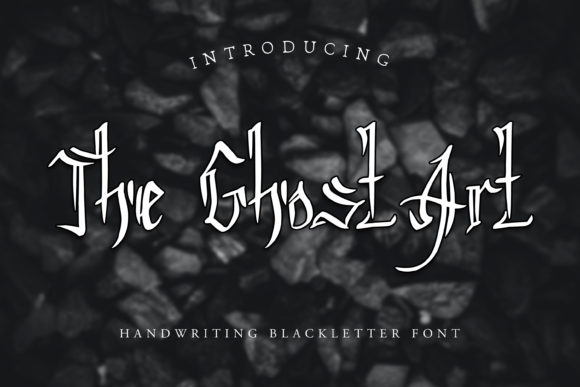
To truly appreciate the utility of The Ghost Art, one must understand what makes it distinct from other gothic or blackletter typefaces. Unlike traditional Old English fonts that can sometimes feel cluttered or difficult to read at smaller sizes, The Ghost Art strikes a careful balance between decorative flair and legibility. The letterforms are characterized by their heavy weight, sharp angles, and elaborate flourishes that evoke the feeling of ancient manuscripts while maintaining a modern edge.
The "Ghost" in its name suggests a certain ethereal quality—a sense of presence without being overly intrusive. This is achieved through precise spacing and a refined stroke contrast. When you zoom in on the glyphs, you notice the meticulous attention to detail in the crossbars and terminals. These elements give the font a tactile quality, as if each letter were hand-carved or stamped onto a surface. This texture is crucial for digital designs, where screen resolution can sometimes flatten out fine details. The Ghost Art retains its integrity even when scaled down, ensuring that the brand message remains clear and impactful.
Versatility Across Industries
One of the most compelling aspects of The Ghost Art is its versatility. While blackletter fonts have historically been associated with beer labels, metal bands, or academic certificates, The Ghost Art breaks these stereotypes by adapting seamlessly to various modern contexts. Its robust structure allows it to function effectively in both print and digital media, provided it is used with strategic intent.
Apparel and Streetwear Design
The fashion industry, particularly streetwear and sportswear, has long embraced bold typography as a core element of its visual language. Brands like Supreme, Off-White, and various athletic wear companies rely on strong lettering to define their identity. The Ghost Art fits perfectly into this ecosystem. Its aggressive yet elegant lines complement the rugged textures of denim, leather, and technical fabrics. When applied to t-shirts, hoodies, or caps, the font adds a layer of depth and narrative to the garment, transforming a simple piece of clothing into a wearable art piece.
Consider a limited-edition sneaker drop or a concert tour merchandise line. In these scenarios, the typography needs to scream excitement and exclusivity. The Ghost Art delivers this energy immediately. Its dark, imposing presence works exceptionally well against light backgrounds, creating a high-contrast look that pops on social media feeds and retail displays alike.
Logo Design and Branding
Creating a logo is about distilling a brand’s essence into a single mark. For businesses that want to project strength, tradition, or rebellion, The Ghost Art offers a powerful starting point. Whether it’s for a craft brewery, a motorcycle club, a rock band, or a premium grooming brand, this font can anchor the visual identity. However, designers must be cautious. Because the font is so detailed, it works best as a primary headline or logo mark rather than for body text. Using it sparingly ensures that the logo remains scalable and recognizable across different mediums, from business cards to billboards.
Advertising and Editorial Layouts
In the realm of advertising, capturing attention within seconds is paramount. The Ghost Art acts as a visual hook. Imagine a magazine spread for a luxury watch or a poster for an extreme sports event. The juxtaposition of the ornate blackletter against minimalist photography creates a dynamic tension that draws the eye. Advertisers can use The Ghost Art to highlight key selling points, such as "Limited Edition," "Handcrafted," or "Performance," adding a sense of prestige and urgency to the message.
Practical Considerations for Implementation
While The Ghost Art is a stunning typeface, its effectiveness depends heavily on how it is integrated into a design project. Here are some practical guidelines to ensure you get the most out of this font.
- Pairing Strategies: Since The Ghost Art is visually dominant, it should be paired with simpler typefaces. A clean, neutral sans-serif like Helvetica, Roboto, or Montserrat serves as an excellent companion. The simplicity of the secondary font allows the Ghost Art to shine without competing for attention. This combination creates a balanced hierarchy, guiding the viewer’s eye from the bold headline to the informative body text.
- Color Palettes: The Ghost Art lends itself well to monochromatic schemes, particularly black on white or white on black. However, it also performs surprisingly well with metallic accents like gold, silver, or copper, which enhance its luxurious feel. For a more edgy look, try pairing it with deep reds, navy blues, or forest greens. Avoid overly bright or neon colors, as they can clash with the font’s sophisticated undertones.
- Kerning and Tracking: Due to the intricate nature of the letters, proper spacing is critical. Tight kerning can cause the delicate details to merge into an unreadable blob, while excessive tracking can make the text look disjointed. Experiment with slight increases in letter spacing to let the individual characters breathe. This is especially important when using the font in large formats, where small errors in spacing become magnified.
- Legibility Checks: Always test your design at various sizes. What looks impressive on a 4K monitor might lose its impact when printed on a small tag or viewed on a mobile device. If legibility becomes an issue, consider simplifying the design by using only the most essential words or phrases in The Ghost Art, relegating supporting information to a lighter, more readable font.
Why Choose The Ghost Art for Your Next Project?
In a world where design trends cycle rapidly, investing in a versatile and timeless typeface like The Ghost Art is a smart move. It offers a blend of historical gravitas and modern relevance that few other fonts can match. For designers and brand managers, it provides a shortcut to establishing a strong, distinctive visual identity without needing to create custom lettering from scratch.
Moreover, the psychological impact of blackletter fonts cannot be understated. They evoke feelings of authenticity, craftsmanship, and authority. In an era where consumers are increasingly skeptical of mass-produced goods, using a font that suggests human touch and attention to detail can build trust and loyalty. Whether you are launching a new clothing line, redesigning a restaurant menu, or creating a campaign for a music festival, The Ghost Art adds a layer of narrative depth that resonates with audiences on a subconscious level.
Final Thoughts on Creative Application
The success of any typographic choice lies in its context. The Ghost Art is not a one-size-fits-all solution, but rather a specialized tool for specific creative challenges. By understanding its strengths—its detail, its boldness, and its versatility—you can wield it effectively to create designs that are not only seen but remembered. As you explore your next project, consider how the weight and character of The Ghost Art can amplify your message. Let it be the ghost in the machine, haunting the viewer’s mind with its distinctive style and enduring appeal.
Ultimately, good design is about communication. And when it comes to communicating power, elegance, and edge, few tools are as effective as a well-chosen typeface. The Ghost Art stands ready to bring that intensity to your work, offering a bridge between the past and the present, the ornate and the utilitarian. Embrace its complexity, respect its presence, and watch your designs transform.