Servetus: Bold Blackletter for Modern Design
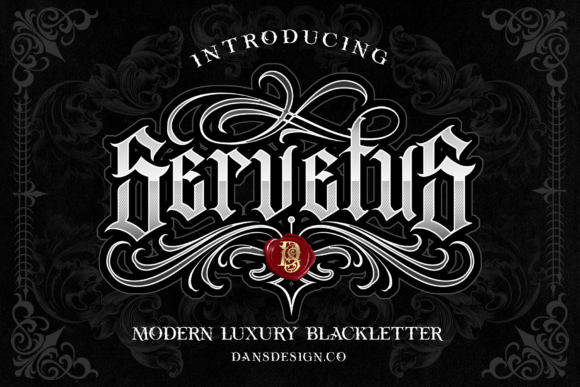
In a digital landscape saturated with clean sans-serifs and minimalist layouts, finding a typeface that commands attention without sacrificing readability is a challenge. Enter Servetus, a highly detailed and bold blackletter font designed to make an immediate impression. This is not merely a decorative novelty; it is a sophisticated tool for designers, creators, and marketers who need to inject history, authority, and distinct character into their visual narratives.
Servetus stands out because of its imposing structure and uniquely shaped letters. It captures the essence of traditional gothic scripts but refines them for contemporary application. The result is a typeface that will easily match a wide range of creations requiring a distinct touch. Whether you are branding a premium product, designing event collateral, or crafting editorial content, Servetus offers a way to communicate weight and heritage instantly.
Understanding the Aesthetic Appeal
Blackletter fonts have a long history, often associated with medieval manuscripts and early printing presses. However, modern interpretations like Servetus strip away the excessive ornamentation that can make older styles difficult to read on screens. Instead, they retain the angularity and density that give blackletter its unique personality.
The "bold" nature of Servetus means it carries visual weight. When used in headlines or key messaging, it acts as a anchor for your design. It does not whisper; it speaks with confidence. For designers, this translates to fewer words needed to convey authority. A single word set in Servetus can replace a paragraph of explanatory text if placed correctly within a layout.
What makes Servetus particularly interesting is its balance. While it is imposing, it is not chaotic. The letterforms are carefully constructed to maintain consistency across different sizes. This allows for versatility. You can use it for large-scale banners where impact is paramount, or scale it down for subheadings where legibility remains crucial. The unique shaping of the letters ensures that even at smaller sizes, the font retains its distinctive identity, preventing it from becoming a blurry mess—a common pitfall with other display blackletters.
Practical Applications Across Industries
The adaptability of Servetus lies in its ability to bridge the gap between historical aesthetics and modern needs. Here is how different professionals can leverage this typeface for specific goals.
Branding and Identity
For small business owners and entrepreneurs, establishing a memorable brand identity is critical. If you are launching a craft brewery, a boutique barbershop, or a heritage-inspired fashion label, Servetus provides an instant connection to tradition and craftsmanship. It suggests that your product is made with care and has roots in established practices.
- Breweries and Distilleries: Use Servetus for logo marks and tap handles to evoke the feeling of old-world brewing techniques.
- Fashion Retail: Pair Servetus with clean, modern sans-serifs to create a juxtaposition between luxury heritage and contemporary style.
- Consulting Firms: In fields like law or finance, a subtle use of blackletter in letterheads or seals can convey stability and trustworthiness.
Event Marketing and Print
Marketers and event planners often struggle to stand out in crowded markets. Physical collateral—posters, flyers, and invitations—offers a tactile experience that digital ads cannot replicate. Servetus excels here because print allows for larger sizes and higher resolution details.
- Concert Posters: For rock, metal, or folk music events, Servetus fits the genre perfectly while remaining legible enough to convey essential ticket information.
- Wedding Invitations: For couples seeking a non-traditional yet elegant look, Servetus can add a dramatic flair to save-the-dates and invitation suites.
- Restaurant Menus: Use it for section headers to guide diners through the menu, creating a sense of occasion for every meal.
Digital Content and Social Media
While blackletter is traditionally a print medium, Servetus can be adapted for digital platforms with careful consideration. Bloggers and educators can use it to highlight key takeaways or chapter titles in online courses. The bold weight ensures that important information grabs the user’s eye as they scroll through feeds.
However, restraint is key. On mobile devices, overly complex fonts can become pixelated or hard to read. The strategy should be to use Servetus for short phrases, quotes, or logos rather than body copy. Let the clean lines of your primary web font handle the heavy lifting of communication, while Servetus provides the stylistic accent.
Design Principles for Using Servetus
To get the most out of Servetus, you must respect its characteristics. It is a display font, meaning it is designed to be looked at, not read extensively. Here are practical guidelines to ensure your designs remain clear, effective, and organized.
Pairing with Complementary Fonts
One of the most common mistakes designers make is pairing two busy fonts together. Since Servetus is highly detailed and bold, it requires a simple partner. Clean geometric sans-serifs or humanist serifs work best. These contrasting styles allow Servetus to shine without competing for attention.
For example, if you are designing a poster, use Servetus for the main title and a lightweight Helvetica or Roboto for the date, time, and location. This hierarchy guides the viewer’s eye logically: first to the emotion (the title), then to the facts (the details).
Whitespace is Your Friend
Because Servetus has high visual density, it needs room to breathe. Crowding the letters together can create a "muddy" effect where individual shapes lose their definition. Ensure ample whitespace around any text set in this font. This is especially true for logos and icons. Give the letterforms space to expand and contract naturally.
Color and Texture
The stark contrast of black ink on white paper is classic, but Servetus responds well to creative color treatments. Consider using deep jewel tones—burgundy, navy, forest green—to enhance the historical feel. Alternatively, metallic foils in gold or silver can elevate the font for luxury applications. Texture also plays a role; applying a slight grain or noise overlay to Servetus text can mimic the look of aged paper or worn wood, adding depth to digital designs.
Maintaining Consistency and Originality
In an era of template-driven design, originality is a valuable asset. Servetus helps achieve this by offering a strong point of view. However, consistency is what turns a single good design into a cohesive brand system.
If you choose Servetus as part of your brand identity, define strict rules for its usage. Will it always be uppercase? Will it always be paired with a specific color palette? Document these choices. Consistency builds recognition. When audiences see that distinctive angular typeface repeatedly, they begin to associate it with your values—whether those are quality, tradition, or boldness.
Furthermore, avoid overusing the font. The power of Servetus comes from its rarity. If everything on your page is in Servetus, nothing stands out. Use it sparingly to punctuate your message. Think of it as a spice in cooking; a little goes a long way, and too much ruins the dish.
Conclusion
Servetus is more than just a font; it is a design decision that signals intention. It tells your audience that you value detail, history, and impact. By understanding its strengths and limitations, you can harness its power to create designs that are not only visually striking but also strategically effective.
Whether you are a freelancer looking to elevate your portfolio, a marketer aiming to boost engagement, or an educator wanting to capture student interest, Servetus offers a versatile solution. It bridges the gap between the past and the present, allowing you to tell your story with clarity and distinction. Experiment with it, pair it wisely, and let its bold character bring your projects to life.