Forges: A Bold Blackletter Font for Distinctive Design
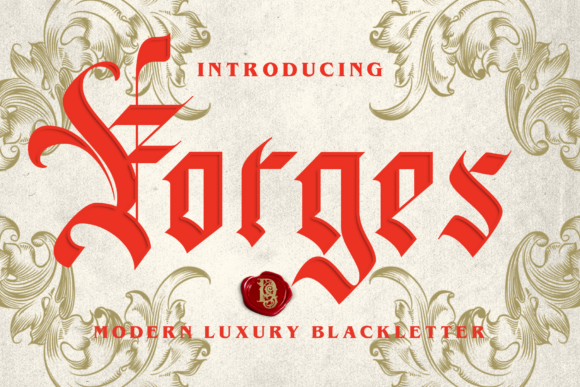
When you need a typeface that commands attention without shouting, Forges offers a compelling solution. As a modern interpretation of blackletter script, it bridges the gap between historical tradition and contemporary graphic design needs. Unlike its medieval ancestors, which can often feel archaic or difficult to read in digital formats, Forges is crafted with precision to ensure legibility while maintaining an imposing, highly detailed aesthetic. This balance makes it a versatile tool for creators who want to inject a distinct touch into their projects.
The font’s unique letter shapes are not merely decorative; they serve as a visual anchor. Whether you are designing a brand identity, creating event posters, or crafting social media graphics, the presence of Forges signals authority, craftsmanship, and heritage. However, using such a powerful typeface requires understanding its specific strengths and limitations. It is not a one-size-fits-all solution, but rather a specialized instrument that, when used correctly, elevates the quality of any creative output.
Understanding the Modern Blackletter Aesthetic
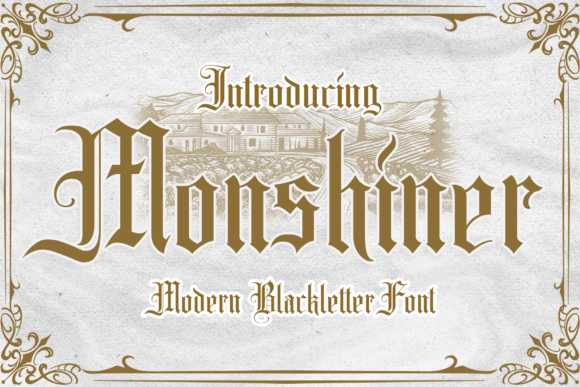
Blackletter, also known as Gothic script, has roots in the 12th century and was the dominant style of writing in Western Europe for centuries. Historically, these fonts were dense, complex, and primarily used for religious texts and official documents. Today, the association with blackletter often leans toward themes of metal music, craft breweries, tattoo culture, and vintage branding. Forges taps into this cultural resonance but refines it for modern eyes.
What sets Forges apart from traditional blackletter fonts is its clarity. Many older or poorly designed gothic fonts suffer from cramped spacing and inconsistent stroke weights, making them frustrating to use in body text or small sizes. Forges addresses these issues by ensuring that each character is distinctly shaped and spaced. The result is a font that feels imposing due to its bold structure, yet remains accessible enough for various applications. This modernization allows designers to use it confidently in contexts where readability matters, even if the subject matter is edgy or traditional.
Why Different Audiences Should Care
The value of a font like Forges varies significantly depending on who is using it and for what purpose. Understanding these different perspectives helps in evaluating whether this typeface aligns with your specific goals.
For Branding Professionals and Entrepreneurs
For business owners and marketers, typography is a critical component of brand identity. If you are launching a product line related to artisanal goods, such as leatherwork, woodworking, or specialty foods, Forges can communicate quality and tradition instantly. It suggests that your product is handcrafted and built to last. However, professionals must be cautious. Using Forges for entire paragraphs of text can overwhelm readers. Instead, consider using it for headlines, logos, or key call-to-action buttons. The contrast between the heavy, detailed font and clean sans-serif body text can create a sophisticated hierarchy that guides the consumer’s eye effectively.
For Creators and Hobbyists
Freelancers, bloggers, and hobbyists often look for fonts that help them stand out in a crowded digital space. Forges provides an immediate "distinct touch" that generic fonts lack. Imagine a blogger writing about history, fantasy literature, or DIY crafts; incorporating Forges in chapter headers or pull quotes can enhance the thematic atmosphere without distracting from the main content. Similarly, hobbyists creating custom merchandise, such as t-shirts or mugs, will find that Forges reproduces well on various materials. Its bold lines hold up against printing processes, ensuring that the final product looks sharp and professional.
For Educators and Publishers
Educational content and publishing require a careful balance between engagement and clarity. While Forges is too stylized for instructional manuals or textbooks, it can be incredibly effective for supplementary materials. Textbooks on European history, art appreciation, or linguistics might use Forges to highlight primary source excerpts or section titles. This usage adds visual interest and helps students distinguish between different types of information. For publishers, it offers a way to give classic reprints or special edition covers a premium feel, appealing to collectors and enthusiasts.
Evaluating Practical Use Cases
To determine if Forges fits your project, it is helpful to look at practical examples across different mediums. Here is how the font performs in common scenarios:
- Event Posters: For concerts, festivals, or workshops, especially those with themes like rock, metal, medieval reenactments, or craft fairs, Forges creates an immediate sense of occasion. Its imposing nature ensures the poster grabs attention from a distance.
- Social Media Graphics: In the fast-scrolling world of Instagram or Pinterest, bold typography stops the thumb. Using Forges for short, impactful phrases can increase engagement rates compared to standard fonts. Pair it with high-contrast backgrounds to maximize visibility.
- Logo Design: For brands aiming for a rugged, authentic, or historic image, Forges serves as a strong foundation. It works particularly well for logos that incorporate icons or illustrations, as the intricate details of the letters can complement complex graphical elements.
- Digital Headers: Website headers benefit from the uniqueness of Forges. It can define the tone of a landing page before the user reads a single word of the copy. However, ensure that the rest of the website uses neutral, readable fonts to prevent cognitive overload.
Priorities: Quality, Flexibility, and Long-Term Use
When selecting a font, several factors come into play. For Forges, the priority is often quality and flexibility. Because it is a modern font, it likely includes multiple weights and styles, allowing for greater flexibility in design. This means you can use a lighter weight for subheadings and a heavier weight for main titles, creating depth within your design system.
Long-term usefulness is another consideration. Trends in typography change, but blackletter has a timeless appeal. It is unlikely to feel dated quickly, provided it is used appropriately. Beginners should note that while Forges is easy to install and use, mastering its application takes practice. Overusing it can make designs look cluttered or hard to read. Experienced users, on the other hand, will appreciate the nuance of its letterforms and the ability to pair it with minimalist elements for striking contrast.
Identifying Your Fit
Deciding whether to use Forges comes down to your specific needs. Ask yourself a few questions:
- Does my project require a strong visual statement? If yes, Forges is an excellent candidate.
- Am I prioritizing readability over decoration? If readability is the primary goal, avoid using Forges for long blocks of text.
- Is my audience familiar with or appreciative of gothic aesthetics? Understanding your audience’s preferences will help you gauge whether the font will resonate positively or seem alienating.
By carefully considering these factors, you can leverage Forges to enhance your creative work. It is more than just a font; it is a stylistic choice that communicates heritage, strength, and detail. Whether you are a seasoned designer looking to add texture to a layout or a beginner wanting to make a bold first impression, Forges offers the tools to achieve a distinctive and memorable result. The key lies in restraint and intentionality, ensuring that every use of the font adds value rather than noise to your final creation.