Navigating the World of Rolashto: A Practical Guide for Designers
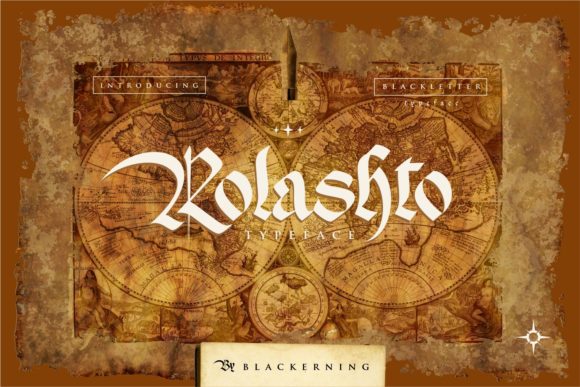
When you are looking to add a touch of historical gravitas or medieval mystique to your design projects, Rolashto often comes up as a compelling option. It is an elegant and distinct blackletter font, expertly designed to make your creation look out of this world. This typeface brings a specific aesthetic weight that sans-serif or standard serif fonts simply cannot replicate. However, while the visual appeal is undeniable, using Rolashto effectively requires more than just dragging it onto a canvas. There are nuances in application, licensing, and context that can make or break your project’s success.
Many creators, from freelance graphic designers to small business owners, are drawn to the dramatic flair of blackletter typefaces. They promise instant recognition and a sense of timelessness. But before you download or purchase Rolashto, it is crucial to understand not just what it looks like, but how it functions in real-world scenarios. Missteps here can lead to poor readability, legal issues, or designs that feel dated rather than classic. Let us explore the practical aspects of working with this distinctive font to help you avoid common pitfalls.
Understanding the Aesthetic Power of Blackletter
Rolashto is not merely a font; it is a statement. Blackletter, historically associated with manuscripts and early printing presses, carries connotations of authority, tradition, and sometimes rebellion depending on the context. When you choose Rolashto, you are choosing a typeface that demands attention. It is gorgeous on a variety of ideas, particularly those involving heritage brands, craft breweries, heavy metal bands, or fantasy-themed products.
The elegance of Rolashto lies in its intricate details. The thick vertical strokes contrast sharply with thin horizontal lines, creating a rhythm that guides the eye. However, this complexity is also its greatest challenge. Unlike modern minimalist fonts that prioritize speed of reading, blackletter prioritizes character and atmosphere. If your goal is to convey information quickly and efficiently, such as in a technical manual or a quick-read blog post, Rolashto might work against you. Understanding this balance is the first step in making a smart design decision.
Common Mistakes in Usage and Application
Even experienced designers can stumble when incorporating complex typefaces like Rolashto into their workflow. Here are some frequent errors to watch out for, along with strategies to correct them.
Overusing Body Text
The most significant mistake is using Rolashto for long paragraphs of body text. The intricate nature of blackletter makes it fatiguing to read over extended periods. Your audience may struggle to decipher the letters, leading to frustration and a high bounce rate if used on a website. Instead, reserve Rolashto for headlines, logos, quotes, or short decorative elements. Use clean, highly legible sans-serif or serif fonts for the bulk of your content. This contrast not only improves readability but also allows the blackletter to shine as a focal point without overwhelming the viewer.
Ignoring Scale and Proportion
Blackletter fonts often lose their detail when scaled down too much. If you use Rolashto for a small caption or a mobile navigation menu, the fine details may blur together, creating a muddy mess that is difficult to recognize. Always test your typography at the sizes where it will actually appear. If the text becomes illegible at smaller sizes, consider finding a lighter weight variant or switching to a simpler typeface for those specific applications. Larger sizes allow the intricate curves and angles of Rolashto to breathe and display their intended elegance.
Clashing Color Palettes
The boldness of Rolashto requires careful color pairing. Using it with low-contrast colors, such as dark gray on black, can render the text invisible. Conversely, overly bright neon colors might clash with the historical vibe of the font, creating a jarring dissonance. Stick to high-contrast combinations that enhance readability. Classic pairings include white or cream text on deep black or navy backgrounds, or gold accents on dark textures. These combinations respect the traditional roots of the font while ensuring it remains visible and impactful.
Licensing and Legal Considerations
One area where many beginners falter is overlooking the legal implications of using premium fonts. Rolashto is an expertly designed typeface, which means it is likely protected by copyright. Using it without a proper license can lead to costly legal battles and forced removal of your designs. Before you incorporate Rolashto into any commercial project, ensure you have purchased the appropriate license. Check whether the license covers web use, print media, merchandise, or all of the above. Some fonts require separate licenses for different mediums, so being thorough here protects your brand and your bottom line.
Additionally, be wary of free downloads found on unofficial sites. These versions may contain malware, incorrect kerning pairs, or missing glyphs that can ruin your design quality. Investing in a legitimate copy ensures you get the full character set, proper support, and peace of mind. For professionals, this is not just about compliance; it is about maintaining the integrity of your work and respecting the labor of the type designer.
Evaluating Rolashto for Your Specific Needs
Before committing to Rolashto, take time to evaluate if it truly fits your project’s goals. Ask yourself a few key questions:
- What is the tone of the message? Does the project require a serious, historical, or edgy feel? If the answer is yes, Rolashto is a strong candidate.
- Who is the target audience? Will they appreciate the artistic style, or will they find it inaccessible? Understanding your audience helps determine if the font enhances communication or hinders it.
- Where will the font be displayed? High-resolution screens and large print formats are ideal. Small screens or low-quality prints may not do justice to the font’s details.
If your answers align with the strengths of blackletter, then Rolashto is likely a great choice. If not, you might want to explore other elegant serif or script fonts that offer similar sophistication without the readability challenges.
Best Practices for Implementation
To get the most out of Rolashto, follow these practical tips:
- Pair Wisely: Combine Rolashto with simple, neutral fonts. This creates a visual hierarchy that guides the reader’s eye and prevents clutter.
- Use Generous Spacing: Increase letter spacing (tracking) slightly to improve legibility. Tight spacing in blackletter can cause the thick strokes to collide, making text hard to read.
- Limit Variety: Do not mix multiple blackletter fonts. Stick to one style per design to maintain cohesion. Mixing different blackletter types can look chaotic and unprofessional.
- Test in Context: Always preview your design in its final environment. A logo that looks good on a desktop monitor might fail on a business card or a social media avatar.
By keeping these guidelines in mind, you can harness the power of Rolashto to create designs that are not only visually striking but also functional and effective. Remember, the best typography serves the message, enhancing it without distracting from it. With careful planning and attention to detail, Rolashto can elevate your creations to new heights, giving them that unique, out-of-this-world charm you are aiming for.