Wizard: Bold Blackletter for Assertive Branding
When you need a typeface that stops the scroll or commands attention on a printed page, Wizard is not just an option; it is a statement. This bold and imposing blackletter font brings a distinct, assertive touch to any design project. It is designed for those who understand that typography is more than just legibility—it is about setting a mood, establishing authority, and creating a visual hierarchy that resonates with your audience.
If you are a designer, entrepreneur, or content creator looking to add weight and character to your work, Wizard offers the structural integrity and stylistic flair required to elevate your brand identity. Whether you are crafting a logo for a craft brewery, designing editorial headers for a modern publication, or creating social media graphics that need to pop, this creative font provides the backbone for a memorable visual experience.
The Visual Personality of Wizard
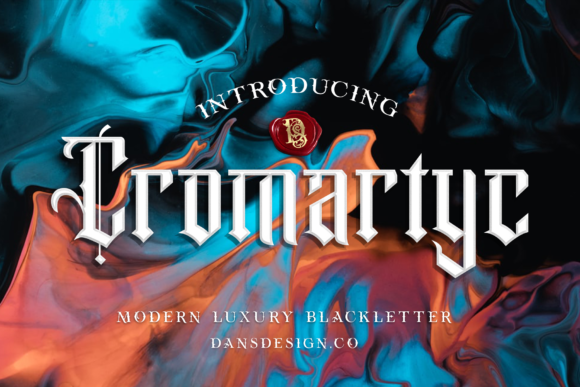
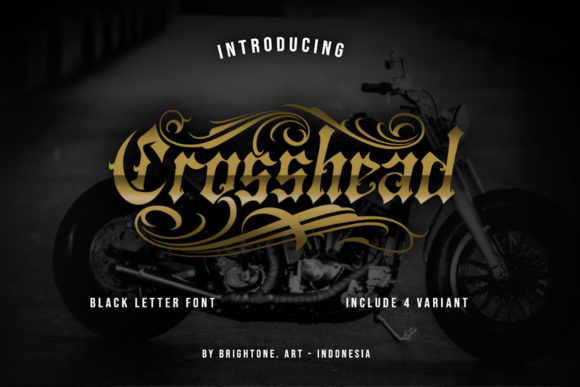
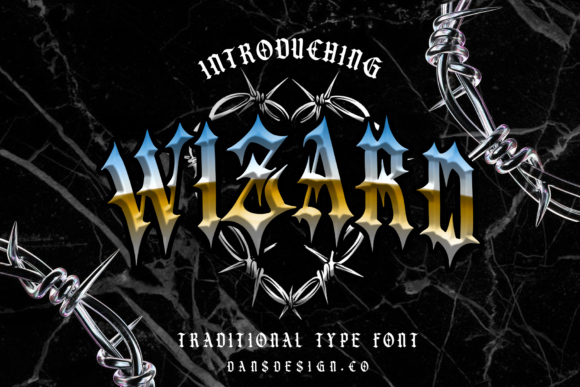
At its core, Wizard is a display font rooted in the rich tradition of blackletter typography. However, it is not a historical artifact; it is a modern interpretation designed for contemporary applications. The letterforms are characterized by their sharp angles, heavy strokes, and dramatic contrast, which give the text a sense of power and permanence. Unlike softer serif fonts or minimalist sans serif fonts, Wizard demands space and respect. It does not whisper; it speaks loudly.
The appeal of Wizard lies in its versatility within the niche of decorative typefaces. While many blackletter fonts can feel overly ornate or difficult to read, Wizard strikes a balance between complexity and clarity. Its geometric precision ensures that even at large sizes, the characters remain distinct and recognizable. This makes it an excellent choice for projects where readability must coexist with strong aesthetic impact. For instance, in packaging design, a product label featuring Wizard can convey heritage, craftsmanship, or rebellion, depending on how it is styled and paired.
Visually, the font exudes confidence. The thick vertical stems and intricate crossbars create a dense texture that draws the eye. When used correctly, it adds a layer of sophistication and edge to any composition. It is particularly effective in contexts where you want to evoke feelings of strength, tradition, or exclusivity. Think of high-end beer labels, rock band merchandise, or luxury watch branding—sectors where a premium font like Wizard can significantly enhance perceived value.
Strategic Applications Across Media
Understanding where Wizard fits best is crucial for maximizing its potential. Because it is a display font, it is not intended for long-form body text. Instead, its true power is realized when used for headlines, titles, logos, and short impactful phrases. Here is how it performs across various mediums:
- Logo Design: Wizard’s strong structure makes it ideal for creating memorable logos. The bold lines ensure that the mark remains legible even when scaled down to favicon size or enlarged on a billboard. It works exceptionally well for brands in the food and beverage, entertainment, and lifestyle sectors.
- Editorial Design: In magazines and newspapers, Wizard can serve as a powerful headline font. It breaks up the monotony of standard serif or sans serif body copy and adds a dynamic visual element that guides the reader’s eye through the article. Pairing it with a clean, neutral sans serif font for body text creates a striking contrast that enhances readability.
- Social Media Graphics: In a crowded digital landscape, standing out is essential. Wizard’s bold presence ensures that your posts grab attention instantly. Use it for quote cards, event announcements, or promotional banners where you need to convey urgency or importance.
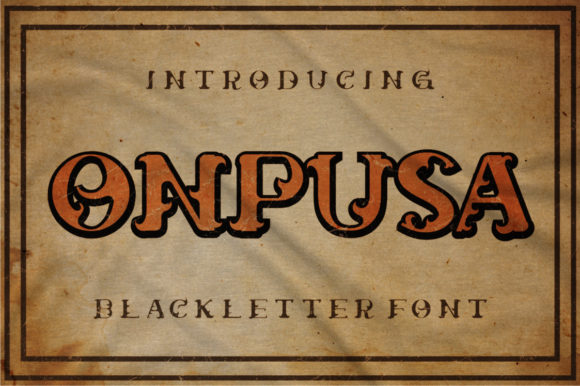
- Packaging Design: For artisanal products, Wizards’ blackletter style evokes a sense of handcrafted quality and authenticity. It pairs well with textured paper stocks and minimalist layouts, allowing the typography to take center stage without overwhelming the overall design.
- Web Design: While less common for web body text, Wizard can be used effectively for hero sections, navigation menus, or call-to-action buttons. Its bold nature helps establish a clear visual hierarchy, guiding users to key information on the page.
It is important to note that Wizard is not limited to traditional print media. Its adaptability extends to digital assets, including video overlays, podcast cover art, and email marketing headers. By incorporating Wizard into your design assets, you create a consistent visual language that reinforces brand recognition across all touchpoints.
Practical Guidance for Implementation
Using Wizard effectively requires more than just dropping it into a design tool. To get the most out of this typeface, consider the following practical tips:
Evaluating Project Fit
Before committing to Wizard, assess whether it aligns with your brand’s voice. If your brand is playful, whimsical, or ultra-minimalist, Wizard might feel too heavy or aggressive. However, if your brand values strength, tradition, or edginess, it is a perfect match. Always test the font in context to ensure it complements rather than competes with other design elements.
Font Pairing Strategies
One of the biggest challenges with bold display fonts is finding compatible pairings. Since Wizard is visually dominant, it needs a quiet partner. Clean sans serif fonts like Helvetica, Roboto, or Lato work well because they provide a neutral backdrop that allows Wizard to shine. Alternatively, elegant script fonts can create a sophisticated contrast, balancing the harshness of the blackletter with fluidity. Avoid pairing Wizard with other decorative or serif fonts, as this can create visual clutter and reduce readability.
Readability Considerations
While Wizard is bold, it should not be used for extended paragraphs. Reserve it for short bursts of text where impact is prioritized over information density. Ensure sufficient contrast between the text and background, and use ample white space to let the letters breathe. Crowding Wizard with other elements can diminish its effectiveness and make the design feel chaotic.
Reviewing Included Styles
Check the specific weights and styles included in the Wizard font family. Some versions may offer regular, bold, or italic variants, each with unique characteristics. Experiment with these variations to find the right tone for your project. For example, an italic version might add a sense of movement or elegance, while a bold variant reinforces authority.
Commercial Licensing
Always review the licensing terms before using Wizard in commercial projects. As a premium font, it likely comes with specific usage rights regarding print runs, digital impressions, and merchandise. Ensuring compliance protects you from legal issues and supports the designers who created the typeface. If you are unsure, consult the license agreement or contact the foundry directly for clarification.
Conclusion
Wizard is more than just a font; it is a tool for communication. By understanding its strengths and limitations, you can harness its power to create designs that are both beautiful and effective. Whether you are building a brand identity from scratch or refreshing an existing one, Wizard offers the bold, imposing presence needed to leave a lasting impression. Add it confidently to your projects, and you will love the results.