Crosshead: Strategic Applications of Assertive Blackletter in Modern Branding
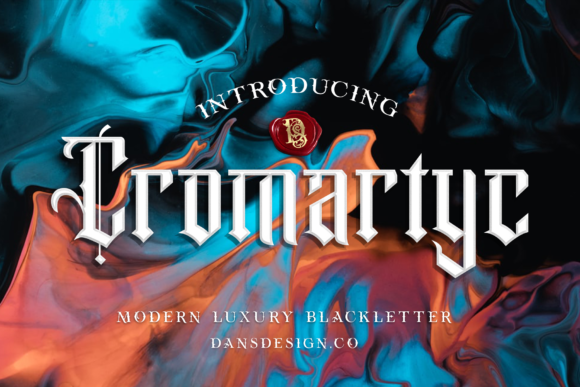
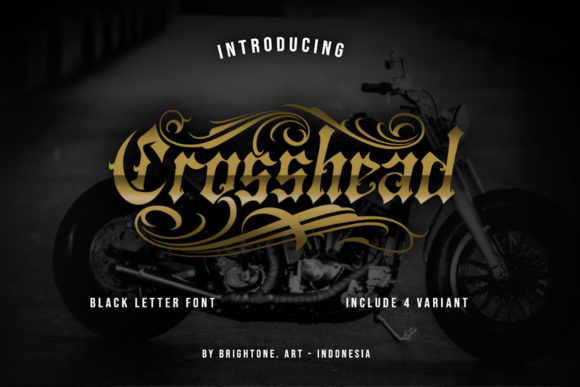
In a visual landscape saturated with minimalist sans-serifs and uniform geometric typefaces, standing out requires more than just visibility; it requires distinction. Crosshead is not merely a font choice; it is a strategic asset for designers, entrepreneurs, and brand managers who need to command attention immediately. As an assertive and distinct blackletter font, Crosshead carries the weight of history while offering the boldness required for contemporary impact. It works incredibly well on labels, branding, posters, or pretty much anything that requires a bold touch. However, using such a powerful typographic tool effectively demands more than aesthetic appreciation—it requires a clear understanding of context, audience psychology, and long-term brand positioning.
This article explores how to leverage Crosshead intentionally. We will move beyond surface-level design trends to discuss how this typeface can support your goals in planning, communication, and customer experience. By treating typography as a functional element of business strategy rather than just decoration, you can achieve better results in how your message is received.
Understanding the Psychology of Bold Typography
Before selecting a specific font, it is crucial to understand what that font communicates. Blackletter, or Gothic script, has historical roots in medieval manuscripts and religious texts. Over centuries, it evolved to signify tradition, authority, heritage, and solidity. When you apply this style to modern branding using a typeface like Crosshead, you are tapping into these deep-seated associations. The thick vertical strokes and sharp angles create a sense of stability and permanence.
For small business owners and freelancers, this psychological weight can be invaluable. If you are launching a craft brewery, a heritage clothing line, or a specialized consultancy, the visual language needs to match the value proposition. A delicate script might suggest fragility, whereas Crosshead suggests resilience. This alignment between visual form and brand substance is a core principle of effective marketing. It reduces cognitive friction for the consumer, allowing them to intuitively grasp the nature of your product before they even read the copy.
The Role of Contrast in Decision-Making
One of the most practical applications of Crosshead lies in its ability to create contrast. In a crowded market, differentiation is key. If your competitors are all using clean, approachable sans-serif fonts to appear friendly and accessible, adopting a bold blackletter can signal that you offer something different—something stronger, perhaps more artisanal or exclusive. This is a strategic decision that affects your entire operational framework, from packaging to digital presence.
- Heritage Appeal: Use Crosshead to evoke a sense of timelessness and established quality.
- Authority: Deploy it in headers or logos where you need to establish immediate credibility.
- Exclusivity: Limit its use to premium products or limited editions to enhance perceived value.
By consciously choosing when to use high-contrast typography, you guide the customer’s journey. You are not just making things look good; you are structuring their perception of your brand’s value.
Strategic Use Cases for Crosshead
While Crosshead is versatile, its assertiveness means it is not suitable for every piece of communication. Effective planners know that every design element must serve a purpose. Below are specific scenarios where Crosshead delivers maximum return on investment in terms of brand clarity and engagement.
Label Design and Product Packaging
For physical products, the label is often the first point of contact. On a shelf lined with generic packaging, a label featuring Crosshead acts as a visual anchor. Consider a hot sauce company, a specialty coffee roaster, or a boutique gin distillery. In these industries, the "craft" narrative is central to the sales pitch. Crosshead reinforces the idea of handcrafted care and robust flavor profiles.
When designing labels, focus on hierarchy. Use Crosshead for the brand name or the primary product identifier, but ensure that essential information (ingredients, volume, warnings) remains legible through simpler, smaller typefaces. This balance ensures compliance and usability while maintaining the bold aesthetic. The goal is to make the product unmissable without sacrificing functionality.
Event Posters and Promotional Materials
In the realm of events, whether it’s a music festival, a trade show, or a local workshop, the poster is your primary advertising channel. Time is short, and attention spans are shorter. Crosshead’s distinct shape allows for instant recognition. It cuts through visual noise. For educators and community organizers, this means higher conversion rates from awareness to attendance.
However, readability must not be compromised. Large-scale printing allows for the intricate details of blackletter to shine, but ensure sufficient spacing between letters. Tight kerning in large displays can lead to muddiness, which undermines the professional image you are trying to build. Plan your layout with ample negative space to let the typography breathe.
Digital Branding and Social Media
Applying heavy serif or blackletter fonts to digital interfaces requires caution. On small screens, fine details can disappear, and the font may render poorly if not optimized. Therefore, use Crosshead strategically in digital contexts. Ideal uses include:
- Hero Headers: Use it on landing pages for brief, impactful headlines that capture interest within seconds.
- Social Media Graphics: Create branded templates for Instagram or LinkedIn posts where the logo or key quote is rendered in Crosshead to maintain visual consistency.
- Email Marketing Subject Lines: While you cannot embed fonts directly in subject lines, using special characters or styling in the preview text can sometimes hint at the bold tone, though this is risky. Better yet, use the font in the email body’s header images to reinforce brand identity.
Planning and Positioning with Intentionality
A common mistake among hobbyists and new entrepreneurs is using distinctive fonts randomly. They might choose Crosshead because it looks "cool," without considering how it fits into the broader brand ecosystem. This lack of planning leads to inconsistent messaging and diluted brand equity. To avoid this, adopt a strategic approach to your typography.
Defining Your Brand Voice
Ask yourself: What do I want my brand to sound like? Is it loud and rebellious? Traditional and trustworthy? Bold and direct? Crosshead leans toward the latter two. It is assertive but not necessarily aggressive. If your brand voice is gentle, nurturing, or playful, Crosshead may clash with your verbal messaging, creating confusion. Alignment between tone of voice and visual identity is critical for trust-building.
Create a simple brand guideline document. Specify where Crosshead should be used and where it should be avoided. For example, you might decide that Crosshead is reserved for your logo and major campaign titles, while a neutral sans-serif handles all body copy and instructional text. This discipline ensures that every interaction with your brand feels cohesive and professional.
Long-Term Viability
Trends fade, but strong foundations remain. Blackletter has survived centuries because it is rooted in classical forms. Using Crosshead is a bet on longevity rather than fleeting fashion. However, ensure that your overall design system evolves. While the font itself is timeless, the way you pair it with colors, imagery, and layouts should adapt to current standards. Regularly review your materials to ensure they still resonate with your target audience aged 20–50. This demographic values authenticity and quality over gimmicks.
Risks and Mitigation Strategies
No design choice is without risk. The primary danger of using Crosshead is overuse. Because it is so visually dominant, it can overwhelm other elements if not handled with care. It can also be difficult to read in long passages, making it unsuitable for articles, manuals, or dense informational content.
To mitigate these risks:
- Limit Usage: Treat Crosshead as a spice, not the main course. Use it sparingly for maximum impact.
- Test Legibility: Always test your designs at various sizes. What looks great on a large poster may be illegible on a mobile screen or a business card.
- Consider Accessibility: Ensure high contrast between the text and background. Avoid placing dark blackletter on busy backgrounds. Accessibility is not just an ethical imperative; it expands your potential customer base.
Another risk is cultural misinterpretation. While rare in modern commercial contexts, blackletter has complex historical connotations. In most Western business contexts, it is associated with brewing, punk culture, or academia. Be aware of these associations and ensure they align with your brand’s values. If your brand aims to be futuristic or tech-forward, Crosshead might send the wrong signal unless used ironically or stylistically.
Conclusion: Making Better Decisions Through Design
The ultimate goal of any entrepreneur, marketer, or creator is to communicate value clearly and effectively. Typography is one of the most powerful tools in this endeavor. Crosshead offers a unique opportunity to inject strength, character, and distinction into your projects. But its power lies in intentional application.
By understanding the psychological weight of blackletter, planning its use within a coherent brand strategy, and respecting its limitations, you can transform a simple font choice into a competitive advantage. Whether you are labeling a new product, designing a poster for an event, or refining your digital presence, let Crosshead serve your goals, not the other way around. The only limit is your imagination, but the responsibility is yours to wield that imagination wisely.
Take the time to evaluate your current materials. Are they speaking loudly enough? Are they consistent? Are they aligned with your long-term vision? If you find gaps, consider where a bold, assertive touch like Crosshead could bridge them. In a world of noise, clarity and distinction win. Let your typography reflect the strength of your ideas.