Kolbe: A Distinctive Victorian Blackletter for Modern Design
In the vast landscape of typography, where thousands of typefaces compete for attention, finding a font that truly commands respect while remaining legible is a challenge. Enter Kolbe, a Victorian blackletter font that stands apart from its historical ancestors. Unlike many gothic scripts that can feel cluttered or difficult to read on screens, Kolbe offers a refined aesthetic that balances historical grandeur with contemporary usability. It is not just another decorative typeface; it is a tool designed to add a unique touch to creations that require distinction, authority, and visual impact.
This article explores what makes Kolbe different, how it functions in modern design contexts, and why it might be the perfect choice for your next project. Whether you are a graphic designer looking for a headline font, a business owner branding a premium product, or a creator seeking to evoke a specific mood, understanding the nuances of Kolbe will help you make informed decisions.
The Essence of Kolbe: More Than Just Old-Style Lettering
To understand the value of Kolbe, one must first appreciate the category it belongs to: blackletter. Historically associated with medieval manuscripts and early printing presses, blackletter fonts are characterized by their dense, angular, and ornate structures. However, Kolbe diverges from the strict, often impenetrable styles of traditional Fraktur or Textura. Instead, it embraces a more open and structured approach, making it accessible to a wider audience while retaining the dramatic flair of the Victorian era.
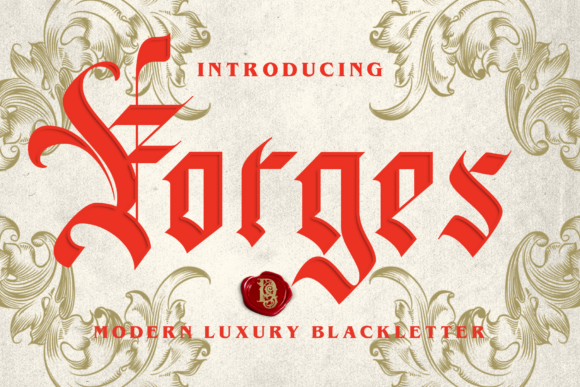
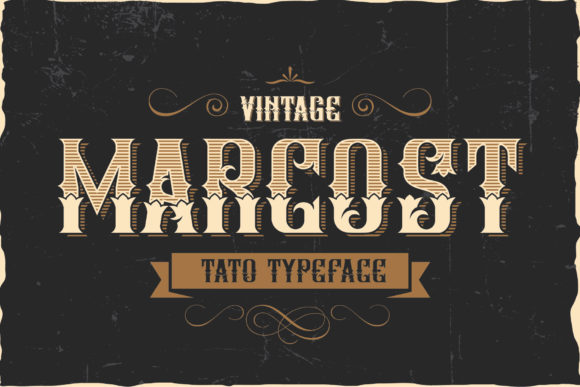
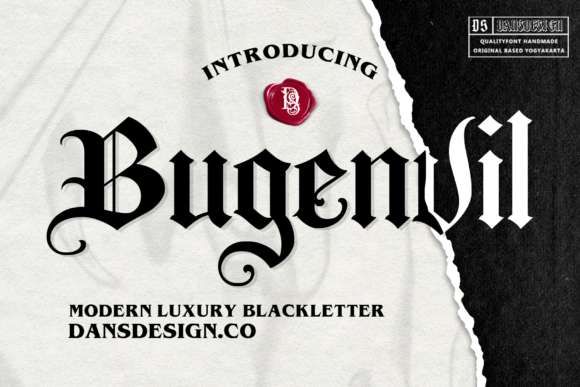
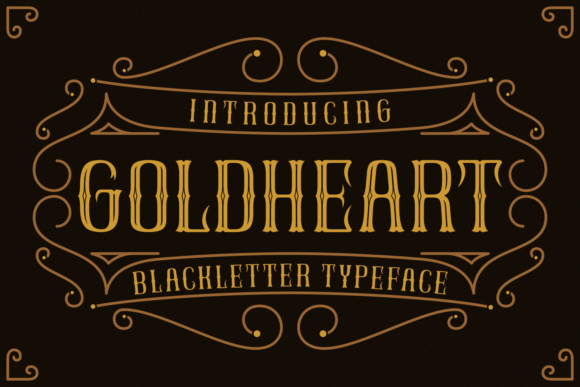
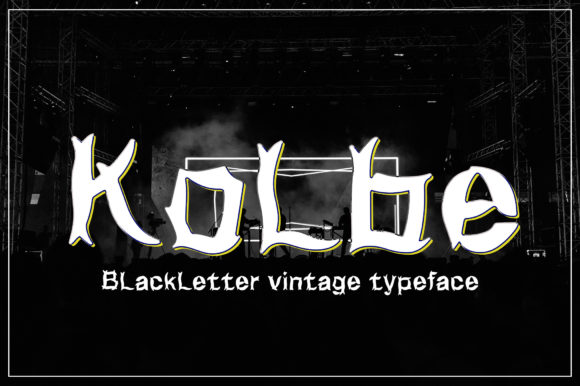
The font features uniquely shaped letters that draw the eye. Each character is crafted with precision, ensuring that the intricate details do not overwhelm the overall form. This balance is crucial because many blackletter fonts fail when scaled down, becoming illegible blobs of ink. Kolbe, however, maintains its clarity even at smaller sizes, provided it is used appropriately. Its distinctive silhouette allows it to serve as a powerful focal point in any composition, instantly signaling quality and tradition.
Historical Context Meets Modern Needs
While Kolbe draws inspiration from the 19th century, it is not a mere replica of antique typefaces. It has been adapted to meet the demands of digital media and modern print production. The curves are slightly softened compared to harsher gothic styles, and the spacing (kerning) has been optimized to reduce visual fatigue. This evolution ensures that Kolbe feels fresh rather than dusty, bridging the gap between historical authenticity and contemporary design trends.
For designers, this means fewer headaches during layout adjustments. You do not need to manually tweak every letter pair to achieve readability. The font comes pre-configured to handle common typographic challenges, allowing you to focus on creativity rather than technical corrections. This practicality is a significant factor in its growing popularity among professionals who value efficiency without sacrificing style.
Key Characteristics That Set Kolbe Apart
What exactly makes Kolbe "different"? It is the combination of several key characteristics that work together to create a versatile yet striking typeface. Below are the primary features that define its identity:
- Distinctive Letterforms: The capital letters feature elaborate swashes and sharp angles that capture the essence of Victorian elegance. These shapes are not random; they are carefully proportioned to create harmony within words and phrases.
- High Contrast: Like many blackletter fonts, Kolbe exhibits strong contrast between thick and thin strokes. This contrast adds depth and texture to text, making it visually engaging even in monochrome applications.
- Versatile Weight Options: Depending on the specific release, Kolbe often comes in multiple weights, ranging from light to bold. This variety allows for dynamic hierarchy in designs, enabling you to use lighter weights for subtitles and bold weights for main headlines.
- Cultural Resonance: The font carries an inherent sense of heritage. When users see Kolbe, they subconsciously associate it with craftsmanship, history, and premium quality. This psychological association can enhance the perceived value of a brand or product.
These characteristics make Kolbe suitable for a wide range of applications. It is not limited to a single niche but can adapt to various themes, from rustic weddings to high-end fashion labels.
Practical Applications: Where Kolbe Shines
One of the most common questions designers ask is, "Where should I use this font?" Because Kolbe is so visually dominant, it requires strategic placement to be effective. Here are some real-world scenarios where Kolbe excels:
- Brand Identity and Logos: For businesses in industries such as brewing, publishing, law firms, or artisanal goods, Kolbe can serve as a powerful logo element. Its authoritative presence conveys trust and longevity. Imagine a craft brewery using Kolbe for its label—it immediately suggests tradition and care in production.
- Event Invitations and Stationery: Weddings, galas, and formal events often benefit from the elegance of blackletter. Kolbe’s refined lines make it ideal for save-the-dates, menus, and place cards. It adds a touch of sophistication that standard serif fonts cannot match.
- Book Covers and Titles: Authors writing historical fiction, fantasy, or mystery genres can leverage Kolbe for cover titles. The font’s dramatic nature grabs attention on bookshelves and online thumbnails alike, promising a story rich in atmosphere.
- Packaging Design: Premium packaging benefits from tactile and visual richness. Kolbe’s textured appearance mimics the look of embossed or foil-stamped text, adding a layer of luxury to product boxes, bottles, and bags.
It is important to note that Kolbe is primarily a display font. This means it is best used for short bursts of text—headlines, titles, and logos—rather than body copy. Using it for long paragraphs would overwhelm the reader and hinder comprehension. By respecting this limitation, designers can maximize the font’s impact.
Evaluating Suitability: Is Kolbe Right for Your Project?
Before committing to Kolbe, it is essential to evaluate whether it aligns with your project’s goals. Not every design needs a blackletter font, and forcing one into a context where it does not belong can result in a disjointed aesthetic. Consider the following factors:
Audience Expectations
Who is your target audience? If you are targeting a young, tech-savvy demographic, Kolbe might feel too old-fashioned or heavy. However, if your audience appreciates craftsmanship, history, or luxury, Kolbe will resonate deeply. Understanding your consumers’ preferences is key to selecting the right typographic voice.
Complementary Fonts
Kolbe works best when paired with simple, clean sans-serif or classic serif fonts. The contrast between the ornate Kolbe and a minimalist companion font creates a balanced composition. Avoid pairing it with other decorative fonts, as this can lead to visual chaos. Simplicity is your ally when using a statement typeface like Kolbe.
Licensing and Usage Rights
As with any professional font, always check the licensing terms. Some fonts allow free personal use but require a commercial license for business projects. Ensure you have the proper rights to use Kolbe in your intended medium, whether it is web, print, or merchandise. This step protects your business from legal issues and supports the type foundry that created the font.
Common Pitfalls and How to Avoid Them
Even experienced designers can make mistakes when working with expressive fonts like Kolbe. Here are some common pitfalls and tips to avoid them:
- Overuse: Resist the urge to use Kolbe everywhere. Let it breathe. Use it sparingly to highlight key elements. Overusing it dilutes its impact and makes the design look cluttered.
- Poor Legibility: Do not use Kolbe for small text or low-resolution displays. If the intricate details get lost, the font fails its purpose. Always preview your design at the size it will appear in final production.
- Inconsistent Kerning: While Kolbe is well-spaced, custom kerning may still be needed for specific letter combinations. Take the time to adjust spacing manually for logos and large headings to ensure optimal visual balance.
- Mismatched Tone: Ensure the font matches the tone of your message. Kolbe is serious, elegant, and traditional. It may not suit playful, humorous, or ultra-modern campaigns. Align the font’s personality with your brand’s voice.
Conclusion: Embracing the Unique Touch of Kolbe
Kolbe is more than just a font; it is a design element that brings history, elegance, and distinction to modern projects. Its unique shape and Victorian roots offer a refreshing alternative to the ubiquitous sans-serifs that dominate digital spaces. By understanding its strengths, limitations, and ideal applications, you can harness the power of Kolbe to create memorable and impactful designs.
Whether you are crafting a brand identity that needs to stand out, designing an invitation that sets the tone for a special event, or simply looking to add a touch of class to your content, Kolbe provides the tools to do so effectively. It reminds us that typography is not just about reading—it is about feeling. And with Kolbe, that feeling is one of timeless sophistication.
As you explore your next creative endeavor, consider giving Kolbe a try. Experiment with its weights, pair it with complementary fonts, and see how it transforms your work. In a world of generic design, choosing a font with character like Kolbe is a step toward creating something truly different and impressive.